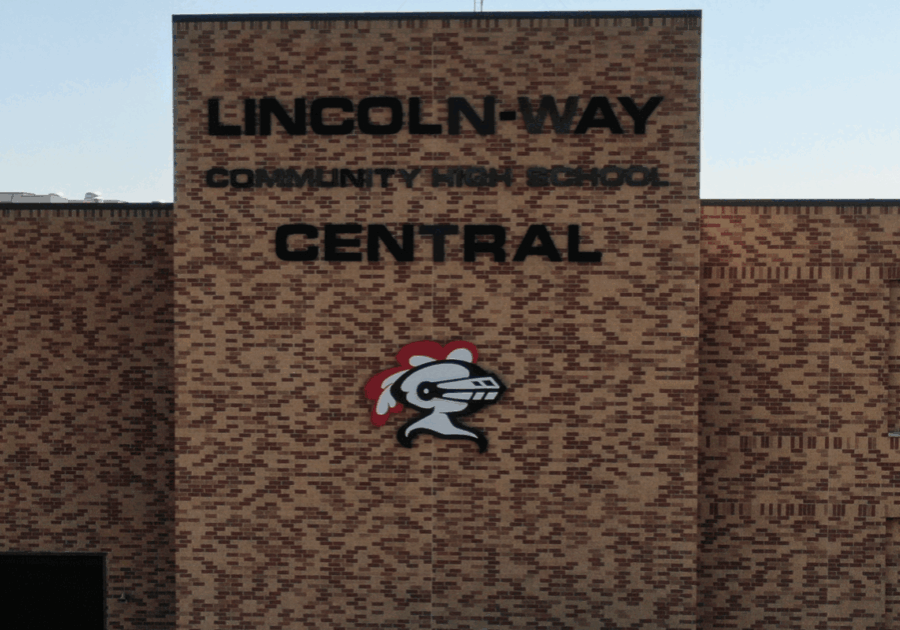
New Electricity Contract to Save Lincoln-Way Over $500,000 Next Year
Lincoln-Way High School District 210 is poised for significant energy cost savings after the Board of Education unanimously approved a new 54-month electric commodity contract with Direct Energy.
The agreement, approved at the April 17 board meeting, is projected to save the district more than $500,000 in the next fiscal year alone.
“Approximately $310,000 of that will be a recurring reduction in future years,” Assistant Superintendent of Business Michael Duback told the board.
The district partnered with commodities broker Mike Perry to conduct a request for proposals (RFP) to secure the most favorable electricity rates. Duback explained that pursuing the agreement now allows the district to lock in rates and capitalize on favorable market conditions, leading to substantial budget relief.
The new contract with Direct Energy will begin in December 2025 and run for a term of 54 months. The approval will allow the administration to finalize the contract, ensuring the cost-saving measures are in place for the coming years. The motion to approve the contract was made by Richard C. LaCien Jr. and seconded by Dana Bergthold.




Slight Chance Rain Showers then Slight Chance Showers And Thunderstorms
Latest News Stories

U.S. Supreme Court agrees to hear veteran’s benefits challenge

Supreme Court declines to hear challenge to Illinois public transport gun ban

Illinois Quick Hits: Report says Pekin Bowling Center ‘taxed out of business’
Tiffany vows to end subsidies for data centers in Wisconsin

Firefighter age bill stalled despite union backing

County Board Members Pitch “Granny Flats,” Hobby Farm Zoning, and Farmland Mitigation in LRMP Brainstorm

Will County Board Approves Tax Abatement for $345 Million Hyundai Translead Project

Lawmaker criticizes surplus spending bill

Kankakee Battles Back to Edge Peotone 7-6 in Non-Conference Thriller

Klawitter’s 16 Strikeouts Propel Peotone to 6-0 Shutout Over Clifton Central

Salvation Army rehab ‘enrollees’ who work at thrift stores aren’t ‘employees’
Illinois housing affordability efforts pit tax cuts against new spending