Coal and power groups back UP–Norfolk Southern rail merger
Several major coal producers and power industry groups are urging federal regulators to approve the proposed Union Pacific–Norfolk Southern merger.
The producers argue that reliable rail service plays a key role in keeping the nation’s electric grid dependable as electricity demand increases.
The two railroads recently filed their merger application with the Surface Transportation Board, which must approve any consolidation in the freight rail industry. If approved, the deal would create the country’s first transcontinental railroad.
Supporters of the merger argue that the stakes extend beyond rail logistics and directly impact energy reliability, particularly as data centers, artificial intelligence, and domestic manufacturing create increased electricity demand.
America’s Power, a national trade association representing coal-fired power plants and their supply chain, told the Surface Transportation Board that rail transportation of coal is “a crucial link” in maintaining reliable and affordable electricity.
The group noted that railroads transport about 70% of the coal used by American power plants, adding that many plants depend exclusively on rail service for fuel deliveries.
America’s Power warned that coal’s role in the electric grid is becoming increasingly important as policymakers confront warnings of potential electricity shortages caused, in part, by the rapid growth of AI and data centers.
Major coal producers echoed that message in separate filings.
Peabody Energy, the largest coal producer in the United States, said it relies heavily on rail service to meet customer demand nationwide and abroad. The company wrote that “the American freight rail network is a critical component of our supply chain, allowing us to move large volumes efficiently and sustainably.”
Peabody also said the proposed merger would deliver immense benefits, including better service reliability, shorter transit times, and increased investment in rail infrastructure and technology.
Alliance Resource Partners, one of the largest coal producers in the eastern United States, told regulators that its business depends on “efficient, reliable, and cost-effective rail service to meet the needs of our customers and ensure the safe, timely delivery of our products.”
The company said the American freight rail network is essential not only to its business but also to employees, customers, and the broader national economy.
Core Natural Resources made similar arguments in its filing, writing that “the American freight rail network is a critical component of our supply chain, enabling the efficient and sustainable movement of large volumes of product.”
The company said that the merger could improve competition and facilitate better coordination, investment, and reliability across the rail system.
The Surface Transportation Board has not yet issued a decision on the merger. The review process is expected to draw intense scrutiny from shippers, regulators, and policymakers concerned about competition, safety and national infrastructure.






Slight Chance Rain Showers then Slight Chance Showers And Thunderstorms
Latest News Stories
Details pending on billions in foreign investments coming from trade deals

Negative net migration is harmful to the economy, economists say
Will County Health Department Seeks $1 Million to Avert ‘Drastic’ Service Cuts from Expiring Grants
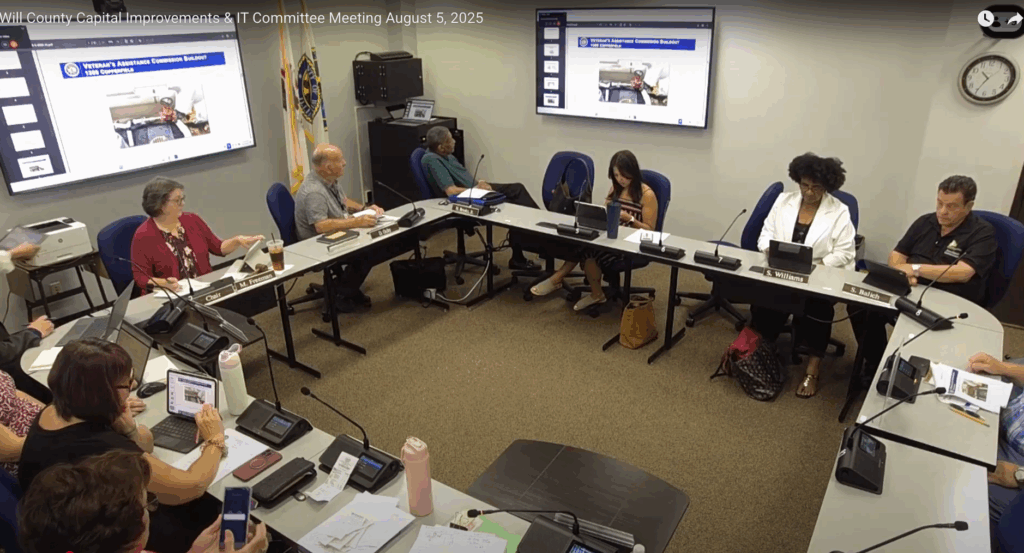
Will County’s “First-in-Nation” Veterans Center to House Workforce Services, Sparking Debate
Improved Vendor Service Creates $1.2 Million Shortfall in Sheriff’s Medical Budget
Will County Public Works Committee Unveils 25-Year Transportation Plan, Projects $258 Million Gap
Will County Animal Protection Services Seeks New Facility Amid “Gaping Wound” of Space Crisis
Board Confronts Animal Services Crowding, Explores Future Facility Options
Will County Board Members Demand Transparency in Cannabis Tax Fund Allocation
Homer Glenn Residents Push Back on 143rd Street Widening as Officials Signal “Tentative Agreement”
Will County Forges 2026 Federal Agenda Amid D.C. Policy Shifts, ‘Big Beautiful Bill’ Impacts
Health Department Seeks $1 Million Levy Increase to Prevent “Weakened System”