
U.S. Supreme Court rules against automatic prison release punishments
The U.S. Supreme Court, in an 8-1 decision, decided an individual on supervised release is not automatically extended when that person absconds from their release.
The case, Rico v. US, focuses on Isabel Rico who absconded her supervised release while she was on probation after being detained in federal prison. During her probation period, Rico was convicted of a state drug offense.
A judge charged her with time in prison and several months of supervised release.
Justices on the court said Rico cannot be automatically considered for an extension of supervised release just because she violated her previous release.
“The government seeks not a rule that stops the clock or ensures a defendant takes no advantage of abscondment, but one that imposes new punishment by automatically extending supervised release,” Justice Neil Gorsuch wrote in the court’s majority opinion.
The justices argued that the Sentencing Reform Act protects Rico from automatic additional punishment, even though she absconded her supervised release.
In 1984, Congress passed the Sentencing Reform Act, which created mandatory uniform national guidelines to increase transparency and unity in federal sentencing practices.
“The Act already provides many ways to ensure defendants do not profit from violations without automatically extending the period beyond what a judge ordered,” Gorsuch wrote.
Justice Samuel Alito provided the lone dissenting opinion. He argued the Sentencing Reform Act was used by the judge to determine Rico’s punishment after she absconded supervised release.
“It seems strange to regard a crime committed after the expiration of “unsupervised supervised release” as a non-event,” Alito wrote. “By that logic, if petitioner had gone on a murder spree after the expiration of the period of unsupervised supervised release, the sentencing judge would have been required to put that out of his mind.”






Slight Chance Rain Showers then Slight Chance Showers And Thunderstorms
Latest News Stories

Lawmakers, policy groups react to social media warning suit

Meeting Summary and Briefs: Will County Board Executive Committee for August 14, 2025
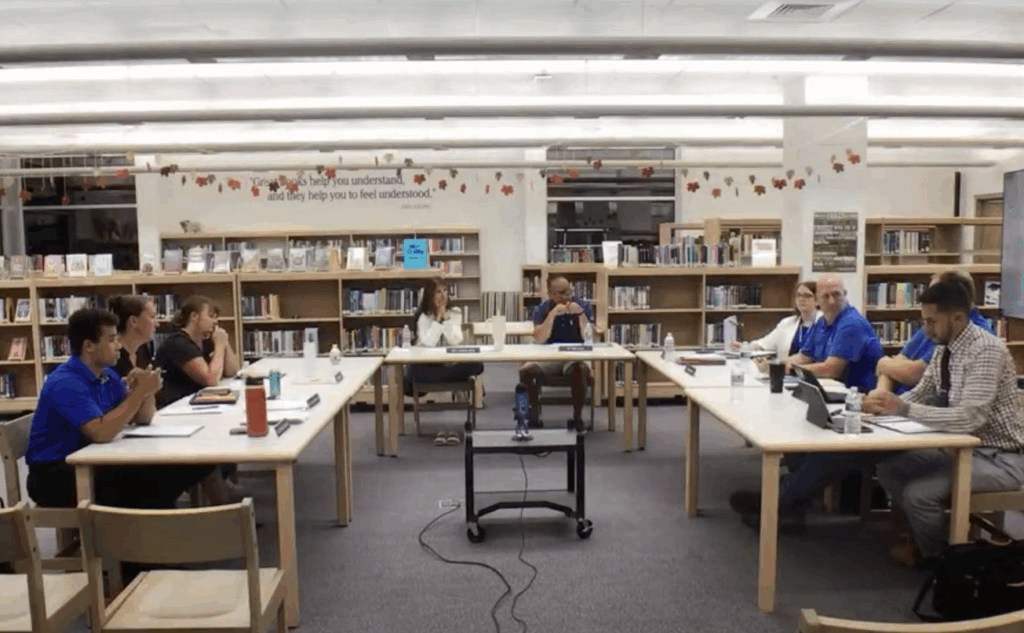
Peotone Schools Face ‘Fiscal Cliff,’ Board Considers School Closures and New Construction

Public education budgets balloon while enrollment, proficiency, standards drop

Illinois news in brief: Cook County evaluates storm, flood damage; Giannoulias pushes for state regulation of auto insurance; State seeks seasonal snow plow drivers

Governor defends mental health mandate, rejects parental consent plan

Illinois quick hits: Arlington Heights trustees pass grocery tax

Plan launched to place redistricting amendment before voters in 2026

Illinois GOP U.S. Senate candidates point to economy, Trump gains
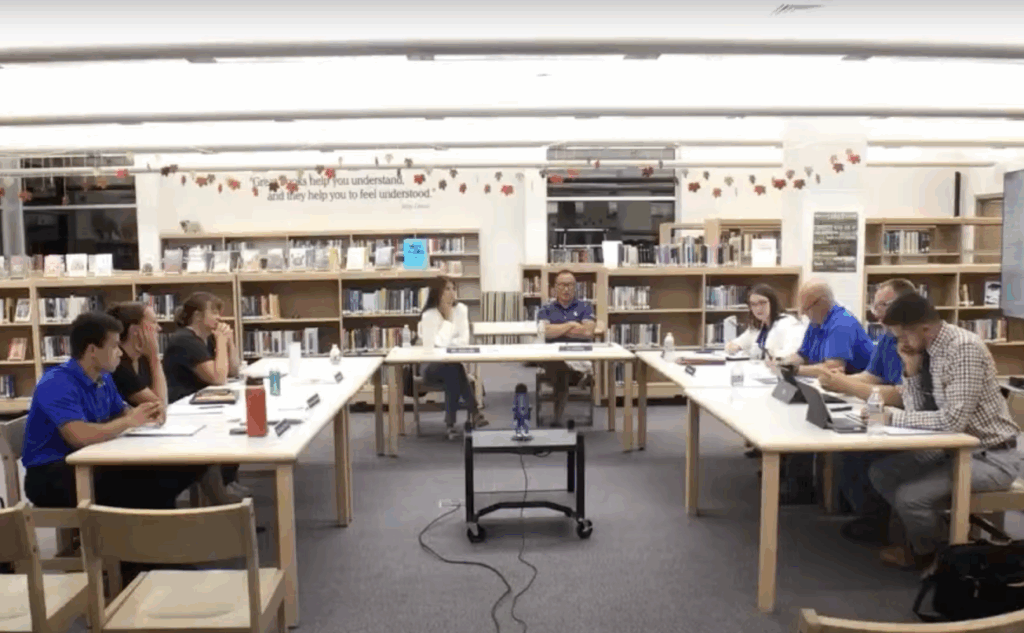
Facing Budget Crisis, Peotone Committee Questions Athletic Field Project

Committee Summary and Briefs: Peotone Board of Education Committee of the Whole
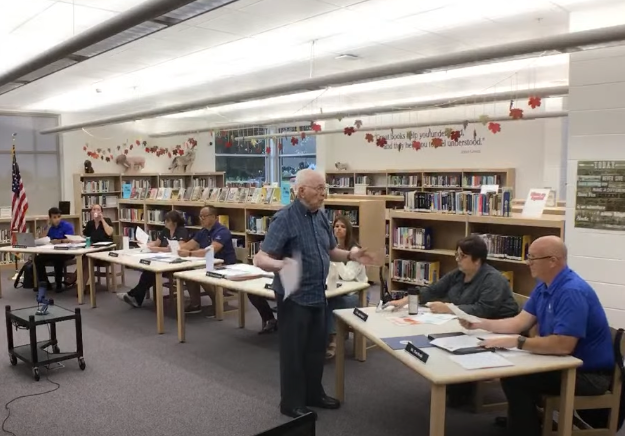
Committee of the Whole Eyes School Closures and New Construction Amid Budget Crisis
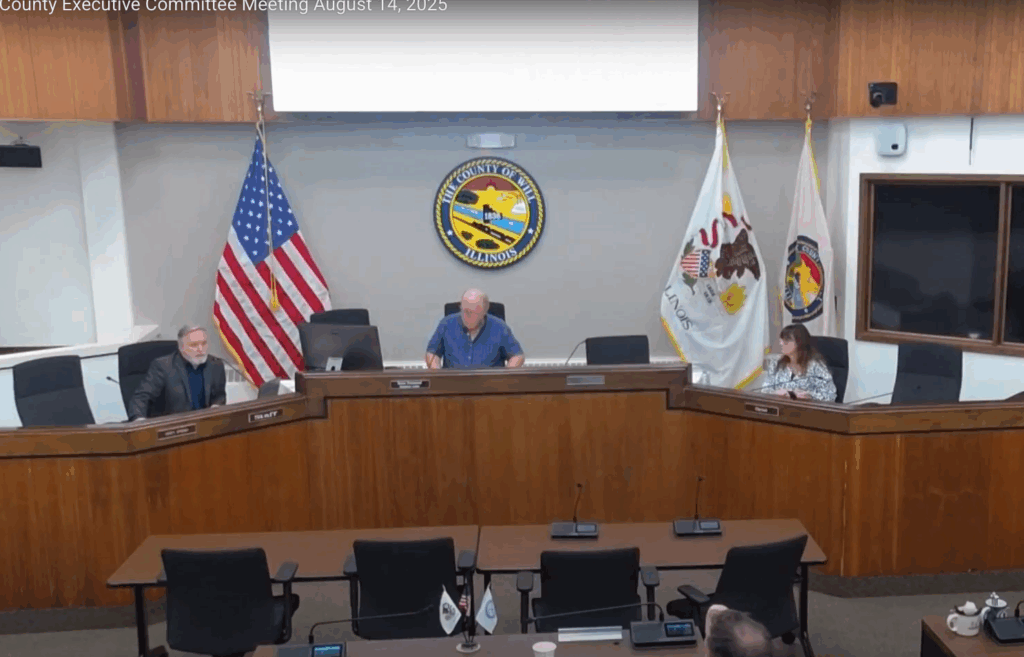
Executive Committee Details Spending of $134 Million in Pandemic Relief Funds

Lawmaker criticizes $500 student board scholarships amid lowered K‑12 standards