GOP senators call for restrictions on generic abortion drugs
Fifty-one U.S. Senators called on the U.S. Food and Drug Administration and the Department of Health and Human Services on Thursday for more restrictions on access to abortion drugs, including a recently-approved generic drug.
In a letter to agency heads, led by Sen. Lindsey Graham, R-S.C., the Republican senators said mail-order access without first visiting a doctor puts women and children at risk. The letter comes after the FDA quietly approved a generic version of mifepristone last week.
The Senators said the FDA’s move also undercuts the anti-abortion movement.
“Unrestricted access to abortion pills is systematically undermining states’ rights and violating pro-life state laws,” senators wrote. “Every month, thousands of abortion drugs are shipped into states that have otherwise limited access to abortion after Dobbs, degrading pro-life laws at the state level across the country.”
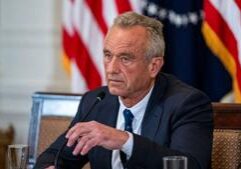
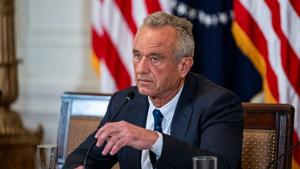
The letter was sent to Health and Human Services Secretary Robert F. Kennedy Jr. and FDA Commissioner Marty Makary on Thursday.
Marjorie Dannenfelser, president of Susan B. Anthony Pro-Life America, said the FDA must protect children.
“At a minimum the FDA must immediately reverse the Biden-era policy of removing doctors by allowing mail-order abortion drugs without in-person medical oversight,” she said in a statement. “Women are endangered by taking the drugs without a sonogram to check for ectopic pregnancy and confirm the gestational age of the child.”
The senators also called for a change in culture in the letter.
“The ‘abortion-on-demand’ culture enabled by the Biden-Harris administration’s removal of critical safeguards on the only FDA-approved abortion regimen is currently the biggest threat to unborn life in America today,” they wrote. “Today, your agencies have all the information they need to bring an end to previous Democrat-administrations’ abortion drug regulations while a comprehensive review is conducted.”
Senators called for five immediate actions:
Suspend the approval of any new generic versions of mifepristone pending the outcome of the REMS safety review;Commit to ensuring that all generic versions of mifepristone are included in the ongoing reevaluation of prior REMS approvals;Reinstate the in-person dispensing requirement for mifepristone and all its generic versions;Suspend the distribution of mifepristone and all generic versions as an “imminent hazard” under Section 505(e) of the Federal Food, Drug, and Cosmetic Act (FDCA); andWithdraw FDA guidance permitting pharmacy distribution of mifepristone and all its generic versions.
Last week, the FDA approved a generic form of mifepristone, one of the two medications used in most U.S. abortions. Mifepristone is typically used alongside misoprostol to induce abortions. Medication abortions account for 63% of abortions in the U.S., according to a report from the Guttmacher Institute.
HHS Communications Director Andrew Nixon previously told The Center Square that “the FDA has very limited discretion in deciding whether to approve a generic drug.”
“By law, the Secretary of Health and Human Services must approve an application if it demonstrates that the generic drug is identical to the brand-name drug,” Nixon said.
Latest News Stories
Will County Considers Moving Land Use Public Hearings Away from Full Board Meetings

Israeli government approves Gaza ceasefire
Florida teens credited for averting school shooting plot in Washington state
IRS reveals tax inflation adjustments for 2026

Spokane leaders mount one-of-a-kind effort to reaffirm treatment-first approach
GOP senators call for restrictions on generic abortion drugs
Federal judge grants Illinois restraining order against Trump for Guard deployment

Illinois quick hits: Another quantum company announced for incentives

WATCH: Noem says DHS ‘doubling down’ in Chicago

Illinois gas price drop sparks mileage tax talk, road fund healthy

Biden deal with activists limits Trump’s ability to arrest illegal immigrants

WATCH: US DHS looking to buy more property in Chicago for Trump law enforcement efforts