Peotone Schools Face Mandatory Deficit Plan, Weighs Cuts Against More Debt
Peotone School District 207-U is facing a state-mandated deficit reduction plan as its tentative fiscal year 2026 budget projects a nearly $2 million annual operating shortfall, a recurring issue that has historically been managed by issuing debt. The Board of Education is now grappling with the choice between making significant cuts or continuing to borrow through working cash bonds, a decision complicated by long-term strategic questions about school consolidation.
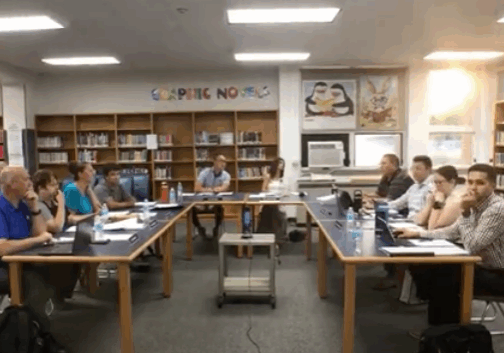
During the board’s July 21 committee meeting, the district’s business manager presented a draft budget that triggers the state requirement for a deficit reduction plan. A cash flow analysis prepared by financial advisors PMA predicts that without intervention, the district’s operating funds will be depleted and go into the red by early 2027.
The board must now decide whether to develop a three-year plan to balance its budget—a move that would likely require deep cuts to programs and personnel, which constitute 60-70% of expenses—or to once again issue working cash bonds to cover the operational deficit.
The discussion revealed a strategic divide among board members about how to address the structural deficit.
Board member Tim Stoub argued it was premature to make a decision, expressing a desire to see a comprehensive master facilities plan from the district’s new architect first. He linked the budget crisis directly to the future of Peotone Intermediate Center (PIC), which faces potential disruption from the widening of Manhattan-Monee Road.
“I support investment in long-term growth,” Stoub said. “With some of the strategic decisions that I think we’re going to be looking at, those are the decisions that I would support taking on additional debt if that were needed to build something long-term. To keep borrowing from tomorrow to keep bleeding out little by little, I don’t support that.”
His comments echoed those of resident Jim Bowden, who argued during public comment that closing the under-enrolled PIC and moving its students to Peotone Elementary School could save the district over $200,000 annually.
Conversely, board member Jodi Becker voiced support for issuing working cash bonds, framing it as a way to protect the academic progress the district has made.
“I think we’ve made huge strides districtwide because of that,” Becker said. “I’m not interested in cutting some of what we put in place to see success.”
Before making a final decision, board members requested more information, including the district’s total long-term debt capacity and a detailed financial analysis of the costs of outsourcing special education services versus providing them in-house.
The tentative budget will be placed on public display in August before a final vote on its adoption in September, giving the board additional time to weigh its options.
Latest News Stories

Will County Board Compromises on Mental Health Levy, Approves $10 Million After Debate
Regional Office of Education Highlights School Safety, New Learning Programs in Update
Will County Awards $10.4 Million Contract for Bell Road Widening Project
Will County Board Approves New 30 MPH Speed Limit for Frankfort Township Road
Meeting Summary and Briefs: Will County Board for October 16, 2025
New Lenox Solar Farm Proposal Advances with Conditions, Following Village and Forest Preserve Input
Frankfort Township Board Objects, but County Commission Recommends Bar with Video Gaming
Will County Committee Grapples with $8.9 Million Budget Gap After Contentious 0% Tax Levy Vote
Crete Township ‘Tiny Home’ Owner Appeals Permit Denial
Senior Shared Housing Facility Recommended for Approval in Crete Township

Will County Finance Committee Forwards 1.75% Compromise Property Tax Levy to Full Board

Americans prepare to spend $1 trillion this holiday shopping season