Finance Officials Clarify How Will County Tracks Assets, From Vehicles to Desks
Will County finance officials on Tuesday detailed the policies governing how the county tracks its physical and digital assets, explaining the $5,000 threshold for items that are formally capitalized and the separate process for managing less expensive goods.
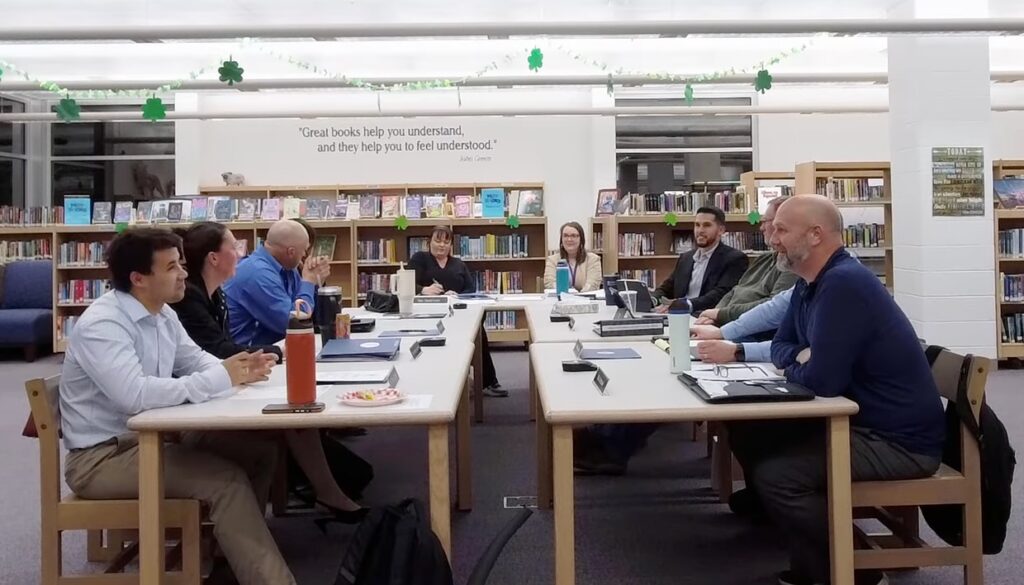
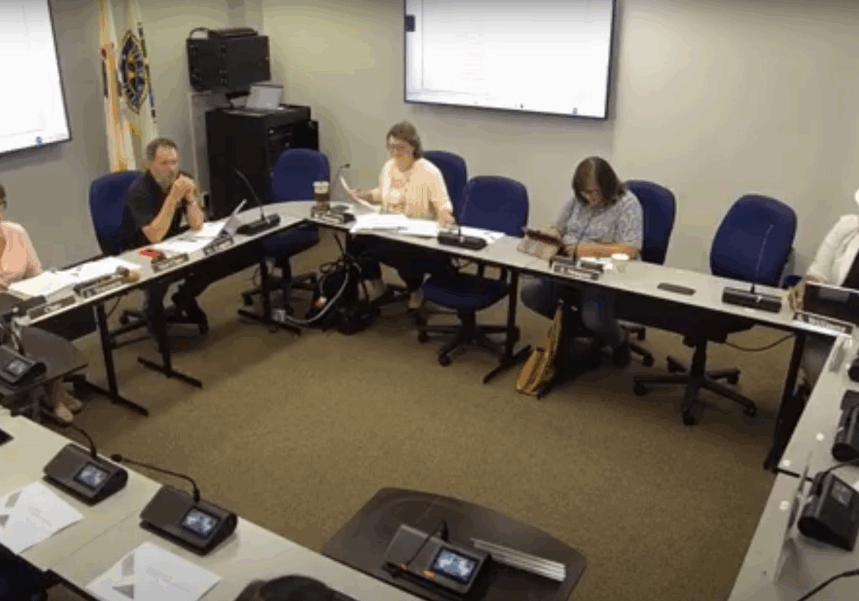
Karen Hennessy, the county’s finance director, and Emily Perkins, the assistant finance director, presented to the Ad-Hoc Ordinance Review Committee to clarify the long-standing rules. Hennessy explained that the county follows standards set by the Government Finance Officers Association (GFOA), which recommends a capitalization threshold of no less than $5,000 per item.
“The time spent managing things under $5,000, there’s no benefit to it,” Hennessy said.
Items purchased for $5,000 or more, such as vehicles or heavy machinery, are considered capital assets. They are formally inventoried, assigned a “useful life,” and depreciated on the county’s books annually.
Responding to questions about large furniture purchases that cost well over $5,000 in total, Hennessy clarified that assets are treated individually. “Ten chairs are not lumped together as an expense. They’re looked at individually,” she said. “They don’t have to be together to work.”
Items costing between $1,000 and $5,000 are categorized as “minor assets.” While they are not depreciated, they are inventoried and tracked at the department level, particularly if they are “sensitive” items like weapons, laptops, or power tools. The finance department provides departments with lists and tags, but the day-to-day management is handled internally.
Hennessy noted that one area for potential improvement could be creating a more standardized, county-wide definition of what constitutes a “sensitive” asset to ensure consistent tracking across all departments.





Showers And Thunderstorms
Latest News Stories

Executive Committee: Tension Rises as Republican Whip Removed from Panel

Ad-Hoc Committee: County Stripped of Power to Regulate Motor Races, Must Drop Solicitor Fees Due to State Statutes

Commission Overrides Staff Recommendation, Approves Manhattan Township Barn Expansion
Chicago could owe $100M+ in refunds for excessive city tickets

Illinois quick hits: Indiana House approves Bears stadium bill; Business, labor groups file petition to stop natural gas phaseout; Chicago woman gets 2 years for PPP fraud

Community violence intervention advocates tout crime reduction, taxpayer funding

Pritzker’s social media fee plan faces cost, legality questions

Chicago tourism rises; visitors ignore Trump’s condemnation

Illinois quick hits: Chicago man faces charges in road-rage shooting; migrant accused of murdering church volunteer; Illinois Liquor Control Commission launches new system
Executive Committee Advances “Project Northwinds”: 2,475 Jobs and $346 Million Investment Proposed for Former Caterpillar, Lion Electric Sites

Land Use Committee Advances Mokena Scrap Yard and Homer Glen Landscape Business Over Local Objections

Foxx to face questions about murder conviction review ‘investigations’