Trump confirms Nvidia chip agreement
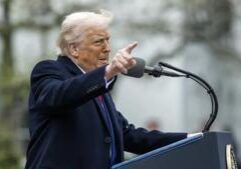
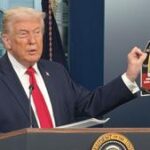
Nvidia will pay the United States 15% of the money it makes from selling artificial intelligence chips to China, President Donald Trump said in a press conference on Monday.
Trump said he allowed Nvidia CEO Jensen Huang to sell H20 chips to China while the company provides the U.S. government with a kickback of the profits.
“The H20 is obsolete,” Trump said. “So we negotiate a little deal so he’s, essentially, selling an old chip,” Trump added, referring to Huang.
Trump said he initially asked for a 20% cut from sales of Nvidia’s chips but the two landed on 15%.
In April, Trump banned Nvidia from selling H20 chips to China. The administration later reversed the ban in July.
A coalition of democratic lawmakers, including Sen. Chuck Schumer, D-N.Y., criticized the administration’s July reversal.
“Limiting the PRC’s access to advanced compute has been a focus of Congress: one with a strong bipartisan commitment across both chambers and both parties,” The letter read.
“The PRC’s development of advanced AI capabilities represents a clear risk to the United States’ national and economic security, and the administration’s willingness to trade away that security is extremely troubling,” the letter continued.




Chance Showers And Thunderstorms
Latest News Stories

Green Garden Solar Farm Approved in Split Vote; Battery Storage Component Rejected
Chicago mayor to push for local funding, keeping Bears
Senate Republicans unveil $72 billion budget package to fund ICE, CBP
Illinois AI regulations have mild industry support, could draw federal ire
DOJ files complaint to block Minnesota climate lawsuit
Hegseth: Ceasefire holds despite Iranian aggression
Illinois Quick Hits: Mayors to visit capitol urge protection of local funding
Despite tax revolt, Lower Merion keeps administrator pay high
Supreme Court allows Louisiana to immediately move on drawing new map
After Fifth Circuit ruling on TX border security law, ACLU sues to stop it from going into effect
Colorado legislators back psychedelic drug research
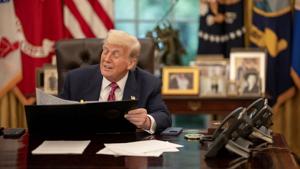
Trump tells small business owners tariffs ‘aren’t high enough’