Trump confirms Nvidia chip agreement
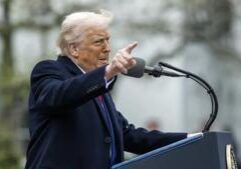
Nvidia will pay the United States 15% of the money it makes from selling artificial intelligence chips to China, President Donald Trump said in a press conference on Monday.
Trump said he allowed Nvidia CEO Jensen Huang to sell H20 chips to China while the company provides the U.S. government with a kickback of the profits.
“The H20 is obsolete,” Trump said. “So we negotiate a little deal so he’s, essentially, selling an old chip,” Trump added, referring to Huang.
Trump said he initially asked for a 20% cut from sales of Nvidia’s chips but the two landed on 15%.
In April, Trump banned Nvidia from selling H20 chips to China. The administration later reversed the ban in July.
A coalition of democratic lawmakers, including Sen. Chuck Schumer, D-N.Y., criticized the administration’s July reversal.
“Limiting the PRC’s access to advanced compute has been a focus of Congress: one with a strong bipartisan commitment across both chambers and both parties,” The letter read.
“The PRC’s development of advanced AI capabilities represents a clear risk to the United States’ national and economic security, and the administration’s willingness to trade away that security is extremely troubling,” the letter continued.





Sunny
Latest News Stories

Lawmaker, officer: ‘Blue Envelope” could help navigate autism during stops

Will County P&Z Grants Variances for Unpermitted Structures in Crete and Manhattan
Senate GOP fails to halt welfare funding for non-citizens
Senate passes funding deal, sends to House for final approval

California group opposes property tax hike, billionaires’ tax

Illinois quick hits: New Illinois Supreme Court justice installed

High schools throughout California stage walkouts over ICE
Pritzker celebrates expansion of French cheese maker in GOP leader’s district

WATCH: WA GOP lawmaker asking Trump administration to investigate fraud allegations

IL Accountability Commission chair: “People need to be prosecuted”
Graham blocks govt. funding vote over policy demands as deadline looms
Trump sues the IRS for $10 billion