Trump confirms Nvidia chip agreement
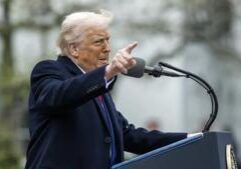
Nvidia will pay the United States 15% of the money it makes from selling artificial intelligence chips to China, President Donald Trump said in a press conference on Monday.
Trump said he allowed Nvidia CEO Jensen Huang to sell H20 chips to China while the company provides the U.S. government with a kickback of the profits.
“The H20 is obsolete,” Trump said. “So we negotiate a little deal so he’s, essentially, selling an old chip,” Trump added, referring to Huang.
Trump said he initially asked for a 20% cut from sales of Nvidia’s chips but the two landed on 15%.
In April, Trump banned Nvidia from selling H20 chips to China. The administration later reversed the ban in July.
A coalition of democratic lawmakers, including Sen. Chuck Schumer, D-N.Y., criticized the administration’s July reversal.
“Limiting the PRC’s access to advanced compute has been a focus of Congress: one with a strong bipartisan commitment across both chambers and both parties,” The letter read.
“The PRC’s development of advanced AI capabilities represents a clear risk to the United States’ national and economic security, and the administration’s willingness to trade away that security is extremely troubling,” the letter continued.




Sunny
Latest News Stories

87 indicted in TdA, Colombian, Venezuelan ATM jackpotting scheme in Nebraska

States, caregivers can now view key metrics for state child welfare systems

More Illinois Catholic schools close; candidates call for change
U.S. effort to limit China’s influence reaches Latin America
Govt. shutdown risk spikes as Senate Democrats vow to tank funding package
Report: EU regulations cost billions for American tech companies

Acting ICE director ordered to court by Minnesota federal judge
Crackdown in Minneapolis underway following Trump talks with Walz, Frey

WATCH: Chicago IG seeks urgency on OT costs; Group warns taxpayers paying for polls

Illinois Quick Hits: Grants issued for apprenticeship programs

K-12 schools, higher ed institutions prevail in diversity litigation

Medical group debunks recent study on racial concordance, says patient outcomes not improved by philosophy