Trump confirms Nvidia chip agreement
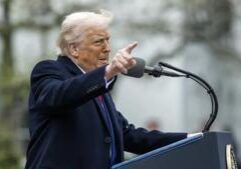
Nvidia will pay the United States 15% of the money it makes from selling artificial intelligence chips to China, President Donald Trump said in a press conference on Monday.
Trump said he allowed Nvidia CEO Jensen Huang to sell H20 chips to China while the company provides the U.S. government with a kickback of the profits.
“The H20 is obsolete,” Trump said. “So we negotiate a little deal so he’s, essentially, selling an old chip,” Trump added, referring to Huang.
Trump said he initially asked for a 20% cut from sales of Nvidia’s chips but the two landed on 15%.
In April, Trump banned Nvidia from selling H20 chips to China. The administration later reversed the ban in July.
A coalition of democratic lawmakers, including Sen. Chuck Schumer, D-N.Y., criticized the administration’s July reversal.
“Limiting the PRC’s access to advanced compute has been a focus of Congress: one with a strong bipartisan commitment across both chambers and both parties,” The letter read.
“The PRC’s development of advanced AI capabilities represents a clear risk to the United States’ national and economic security, and the administration’s willingness to trade away that security is extremely troubling,” the letter continued.





Sunny
Latest News Stories

Sunny Hill Administrator Defends Private Room Model Amidst Capacity Discussions

Utah County’s chief prosecutor testifies at Tyler Robinson’s hearing

Elite private colleges can’t cap off price-fixing collusion class action

WATCH: San Francisco gets $40M to address homelessness

Education dept. launches 18 Title IX probes as Supreme Court hears cases

Tyler Robinson’s defense seeks to disqualify prosecutors

Illinois Quick Hits: GOP gubernatorial forum set for Monday

GOP senators introduce bill to increase penalties for assaulting ICE officers

Oz: Your zip code will no longer determine your life expectancy

Experts dispute Arizona governor’s claims about state-funded school choice program

Lincoln-Way Board Approves Girls Flag Football for 2026-2027 Season
DOJ claims ‘substantial progress’ made on Epstein files, but no new releases