Trump delays China tariffs by 90 days
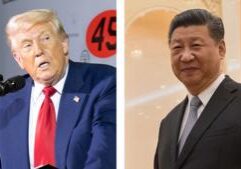
The deadline to enact further reciprocal tariffs against China will be extended by 90 days, President Donald Trump announced Monday night.
“[China] continues to take significant steps toward remedying non-reciprocal trade arrangements and addressing the concerns of the United States relating to economic and national security matters,” Trump explained in an executive order.
The deadline was set to expire on Aug. 12. The new deadline is set for after midnight on Nov. 10.
While negotiations with China are worked out, a 10% reciprocal tariff rate will remain in effect until Nov. 10, according to a fact sheet provided by the White House.
“President Trump is ensuring economic cooperation between two of the largest economies in order to protect American interests, stop unfair trade practices, and strengthen America’s domestic manufacturing base,” the fact sheet read.
In April, the U.S. imposed 145% tariffs against Chinese imports and China retaliated with 125% tariffs on U.S. goods.
The countries backed off these tariffs after meeting in May. The U.S. went down to 30% tariffs while China went down to 10%.
The fact sheet said the U.S. goods trade deficit with China was $295.4 billion in 2024. The White House said this number is “already decreasing substantially.”






Scattered Showers And Thunderstorms then Mostly Sunny
Latest News Stories

Legislator calls for investigation of Newsom’s FOIA request
EXCLUSIVE: Social Security reform imperative to avoid 34% tax hike, insolvency by 2032

Property tax rates remain a top issue in Wisconsin elections

Taxpayers paying $50 million+ for Chicago-owned bus station

Michigan Republicans blast Whitmer’s Europe trip as budget deadline nears

Zillow faces antitrust suit, consumer fraud claims amid housing crisis

Illegal immigrants across U.S. get financial aid for college

Supreme Court sides with criminal appeal rights

Supreme Court allows drug users to keep guns

Little talk of ‘world’s largest’ data center planned for southern Ohio

Illinois Quick Hits: Pritzker signs bill creating new state agency

Poll: Local governments should be cautious about data center approvals