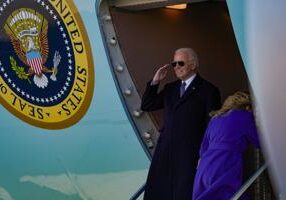
Three years later, Inflation Reduction Act blamed for higher Medicare costs
This past weekend marked the third anniversary of the Inflation Reduction Act, signed into law by former President Joe Biden in 2022.
While the law was promoted as a way to lower prescription drug costs for seniors, insurers and policy analysts say it is driving up prices.
CVS Health Corporation CFO Thomas Cowhey told investors that both traditional Medicare and Medicare Advantage beneficiaries would see “much, much higher prices for that Part D benefit.”
Critics say the law adds billions of dollars in new costs for Medicare Advantage plans while limiting their ability to control expenses. Some benefits have become what analysts call “Ghost Benefits.” These are taxpayer-funded supplemental perks that look good on paper but are underused.
A 2024 JAMA Network Open study found that of the $86 billion in annual taxpayer-funded supplemental Medicare Advantage benefits, only $3.9 billion went toward dental, vision and hearing coverage.
Analysts say the IRA’s attempt to push prescription drug costs onto insurers isn’t working.
Notably, Dr. Tomas Phillipson told Fox Business News that premiums were “skyrocketing” due to the Inflation Reduction Act.
MarketWatch’s Brett Arends wrote last year that “The latest price surges follow the passage in 2022 of the Inflation Reduction Act, which capped drug costs for Medicare beneficiaries and transferred costs to the insurance companies. The insurers […] are inevitably trying to recoup some of those costs through higher premiums.”
The Better Medicare Alliance reported that from 2024 to 2025, the average out-of-pocket maximum in Medicare Advantage increased by 8%. Vision, hearing and dental benefits remain mostly the same. However, plans offering meals, nutrition services, transportation and over-the-counter benefits will decrease, according to its analysis. The group also projected that 31 states will see fewer individual plan options next year.
One problem is that the law also shifted catastrophic drug costs to insurers and imposed a $2,000 out-of-pocket cap without offsetting subsidies. Critics say this has contributed to federal bailouts for plans, including $7 billion last year to prevent premium hikes in an election year and a $25 billion rate increase this year.
The Paragon Health Institute says the law has led to “a significant increase in the subsidies that taxpayers pay to insurance companies” while leaving seniors with “fewer coverage options.”
“The goal of the IRA was to shift costs away from the Medicare program and its beneficiaries onto Part D plans,” the Paragon Health Institute’s analysis said. “But the result has been a significant increase in the subsidies that taxpayers pay to insurance companies. Even with the temporary reprieve from higher drug premiums, this policy has left seniors with fewer coverage options. The old adage about free lunches holds true: shifting costs elsewhere does not eliminate them – and in this case, it increased them.”





Mostly Sunny
Latest News Stories

Supreme Court blocks ICE contractor immunity appeal
Report: Patchwork state food laws could raise grocery prices 12% nationwide
Trump calls out Minnesota in State of the Union, prompting Democrat protests

Parents could gain access to school discipline evidence under proposed bill

State of the Union highlighted political fracture between Democrats, Trump

Illinois Democrats dispute Trump statements during State of the Union
Illinois Quick Hits: State taxpayers to help restore historic Chicago hotel
Trump moves ahead with tariff plans after Supreme Court ruling

Illinois racial wealth gap among largest in country

Judge: Right to sue under IL biometrics law too important to end suit vs Meta
Executive Committee: Tension Rises as Republican Whip Removed from Panel
Ad-Hoc Committee: County Stripped of Power to Regulate Motor Races, Must Drop Solicitor Fees Due to State Statutes

Commission Overrides Staff Recommendation, Approves Manhattan Township Barn Expansion

Chicago could owe $100M+ in refunds for excessive city tickets