
Experts launch task force to combat U.S. literacy decline
The World Literacy Summit hosted 80 education officials to confront the rapid decline of reading proficiency across the United States.
The World Literacy Foundation, which organized last week’s summit in New York City, is an international nonprofit dedicated to eradicating illiteracy. The summit brought representatives from government agencies, schools, nonprofits, the business community, academic institutions, parent organizations and youth advocates.
“We are witnessing a staggering crisis: Low literacy affects 54% of American adults. That’s approximately 130 million people,” Andrew Kay, CEO of the World Literacy Foundation, said. “The economic impact is immense, with an estimated cost of $2.2 trillion annually due to lost productivity, reduced tax revenue, increased crime rates and higher health care costs.”
As the number of children who read for fun declines, increased screen time is a contributing factor to more engagement with the digital world and not the worlds in books.
Reading for fun has significantly declined since the 1980s, according to the Pew Research Center.
“If this continues unchecked, we risk fostering a generation of young people unable to read even a page, let alone an entire book,” Kay explained.
The United States ranks 36th in global literacy standings.
Kay told The Center Square that there are multiple contributing factors to the decline of academic performance: the pandemic, underfunded school resources, mental health challenges, standardized testing and low literacy rates.
Some solutions he provides to this issue are investing in early literacy programs, community-based tutoring and mentorship, resources for students and data transparency.
Kay noted accountability is key. He believes there should be independent audits of education spending, public dashboards that show program outcomes, community oversight committees and performance-based funding models
Taxpayer dollars must be used effectively and “governments must publish clear metrics on program outcomes and ensure funds are tied to measurable improvements,” Kay told The Center Square.
“We believe that literacy is the gateway to opportunity. If we fail to address this crisis now, we risk losing an entire generation to educational inequity,” Kay said
The 2024 National Assessment of Educational Progress revealed average reading scores for fourth and eighth-grade students have dropped two points.
“Today’s NAEP results confirm a devastating trend: American students are testing at historic lows across all of K-12,” U.S. Education Secretary Linda McMahon said.
The Trump administration continues to combat the issue of education through cutting federal funding to districts it believes are hurting more than helping students, and placing more funding toward school choice initiatives.
Since its conception in 1980, the U.S. Department of Education has spent $3 trillion on education, and the scores have continued to go down, McMahon explained.






Chance Showers And Thunderstorms
Latest News Stories

GOP hopefuls seek support, blast Pritzker at IL gubernatorial candidate forum

Illinois lawmaker questions IDHS over years-long data breach
Draft County Federal Agenda Opposes Sharing Medicaid Patient Data with ICE
Meeting Summary and Briefs: Green Garden Township Board for January 12, 2026

Northern Builders Development Brings Changes to Laraway and Gougar Roads in New Lenox

Meeting Summary and Briefs: Will County Public Works & Transportation Committee for January 6, 2026

SCOTUS to hear Fed firing case Wednesday

Committee highlights failures of Afghan vetting, as funding for refugees in limbo
County Board Debates Legislative Agendas; State Agenda Passes, Federal Agenda Sent Back

District 210 Updates Online Course Policy and Increases Summer School Fees
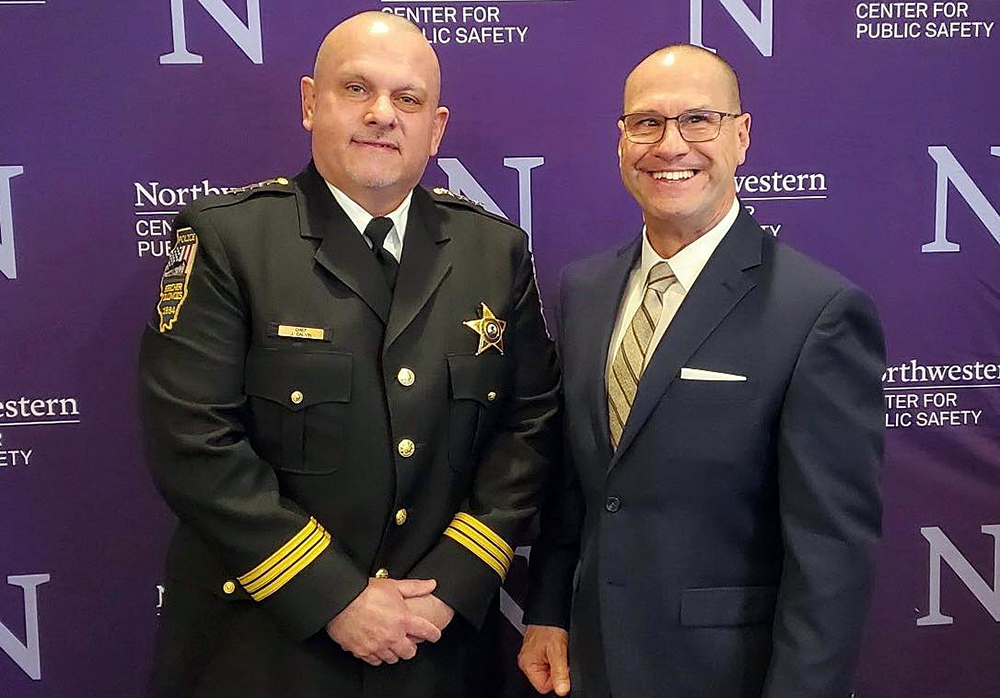
Corporal Ingram completes elite leadership training program
Meeting Summary and Briefs: Will County Board Executive Committee for January 8, 2026