Health care policy remains sticking point in Senate’s govt shutdown talks
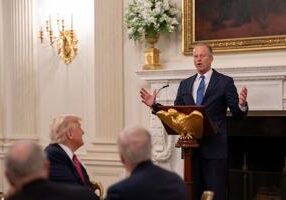
It’s day three of the government shutdown, and U.S. lawmakers are no closer to a government stopgap compromise, with both parties believing they’ll win the standoff.
The Senate is set to vote Friday afternoon on both Democrats’ and Republicans’ competing short-term Continuing Resolutions for the fourth time, but neither is likely to pass.
Democratic leaders remain staunch in their demands that Republicans commit to renewing the COVID-19 era enhanced Obamacare Premium Tax Credits, while Republicans are betting that enough rank-and-file Democrats will fold to public pressure to reopen the government as the shutdown drags on.
Senate Majority Leader Chuck Schumer reiterated before the Friday vote that his party remains “ready and willing to work with the other side” to extend government funding, but only if the path forward will “lower health care costs for the American people.”
Millions of Americans could see their health care premiums spike at the end of the year if the Obamacare PTC is not extended. While Republican leaders have acknowledged this fact and indicated openness to discussion, they will only do so after the government reopens. They also argued that it is inappropriate for Democrats to use a complicated December policy issue to “hold the government hostage.”
“We can’t make commitments or promises on the Covid subsidies, because that’s not something we can guarantee that there’s the votes there to do,” Senate Majority Leader John Thune, R-S.D., told reporters Friday. “But what I’ve said is, I’m open to having conversations with our Democratic colleagues about how to address that issue. But that can’t happen while the government is shut down.”
Anticipating that the afternoon vote will fail, Thune said he hopes enough Democrats will decide over the weekend to vote for the Republican CR when they return Monday. The current shutdown is the first time in nearly seven years that lawmakers have let funding for federal agencies lapse.
Currently, federal workers deemed “essential,” such as members of the military, Border Patrol agents, and air traffic controllers, are working but will not receive their next paychecks until the government opens. Thousands of federal employees deemed “nonessential” have or soon will be furloughed without pay, and the Trump administration is hoping to use the opportunity to eliminate some positions it deems unnecessary or unaligned with its goals.




Sunny
Latest News Stories

Everyday Economics: A stalled labor market and why the next data points matter

Assaults against ICE up 1300%, vehicular attacks up 3200%, death threats up 8000%
Bipartisan bill to cap annual deficits at 3% could curb debt growth

One year in, a ‘ho-hum’ jobs report
Five battleground governor’s races for 2026

Chicago Flips Red calls for audit after public schools report

Capital Imp Committee: Begins Drafting Policy to Regulate Artificial Intelligence in County Government

Public Health Committee Chair Demands Animal Control Agreements for Crete, Monee

Public Works Committee Considers Taking Over Kankakee County Line Road to Expedite Bridge Repairs
Trump signs order protecting Venezuelan oil revenue from legal claims
Retirements and resignations to impact midterms as balance of power at stake

Peotone Man Charged With Disorderly Conduct, Criminal Damage at New Lenox Target
U.S. Supreme Court to hear anti-oil cases with energy costs on the line

Constitutional concerns raised over Illinois’ first civil hate crime case