Nvidia will pay 100k visa fees, others unsure
Nvidia CEO Jensen Huang said his company would pay $100,000 fees for H-1B visas imposed by the Trump administration.
On Sept. 19, President Donald Trump signed a proclamation imposing a one-time $100,000 fee for new foreign worker H-1B visa applications. He cited wage suppression and a lack of jobs for American workers in his proclamation.
Trump’s announcement appeared to be designed to discourage future H-1B employment sponsorships.
H-1B visas are typically issued for high-skilled foreign workers in science, technology and engineering fields.
The H-1B program operates on a random lottery system. According to the U.S. Citizenship and Immigration Services, in 2025, Amazon, Apple, Microsoft and Meta were in the top five companies petitioning for H-1B visas. Amazon recruited more than 10,000 H-1B applicants in 2025 alone, according to USCIS.
Huang’s announcement seemed to contradict the Trump administration’s stated goals of discouraging companies from issuing H-1B visas.
“I don’t think that my family would have been able to afford the $100,000,” Huang told CNBC. “The opportunity for my family and for me to be here would not have been possible with this current policy.”
As a leading force in the technology sector and one of the largest employers for H-1B workers, Nvidia’s announcement has far-reaching effects on other employers that utilize the H-1B visa system.
Ben Johnston, chief operating officer at small business lender Kapitus, said Huang’s announcement doesn’t mean much for the small business community. He said most small businesses he works with don’t utilize the H-1B process to recruit workers.
“It doesn’t surprise me to hear that NVIDIA is continuing on with their use of the program, because quite frankly, they can afford $100,000 to get access to top talent that is critical for their ability to grow the business,” Johnston said.
Still, he said the $100,000 fee could transform the H-1B system into a more competitive lottery for large corporations and small businesses alike.
“If they found that it still did make economic sense, they might actually have less competition in the lottery system than they would have had otherwise, because the lottery was perpetually oversubscribed,” Johnston said.
Nathan Mondragon, Chief Innovation Officer at HireVue, said Huang’s announcement represents an opportunity for companies to rethink hiring practices and employee incentives.
“By paying more competitive wages, investing in training, and refining their understanding of the skills that drive business outcomes, there is potential for a more sustainable and skills-aligned approach to hiring,” Mondragon said.
Still, Mondragon recognized that making foreign worker recruitment more expensive could position competing countries to take up workers.
Last week, China launched its new visa program, the K visa, to recruit workers in science, technology and engineering fields.
The visa is designed “to promote exchanges and cooperation between young science and technology talents from China and other countries,” said Guo Jiakun, Chinese foreign ministry spokesperson.
Mondragon said he hopes U.S. companies will use the Trump administration’s policy to tap into domestic talent.
“When employers clearly define the skills that matter most, they can expand their candidate pools by looking beyond traditional degree requirements, tap into overlooked U.S. talent, and invest in internal development programs,” Mondragon said.



Mostly Sunny
Latest News Stories
Grijalva, Butierez headed for rematch in congressional race
Biggs wins Arizona gubernatorial primary with 71.5% of vote
Trump endorsements score wins for Arizona candidates
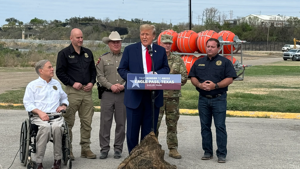
Republicans advance bill to make Trump border policy permanent

Trump admin investigates five medical schools over DEI
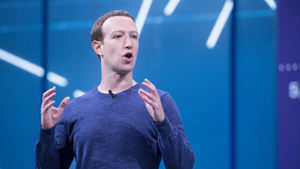
Lawyer: Billionaire tax could cost California $1 trillion

Hegseth defends Trump’s request for $67B to fund Iran conflict

Official: Agreement could come soon on Colorado River
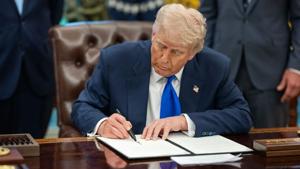
Trump gives boost to Lebanese relations; puts squeeze on Iran in the process
Illinois news in brief: State police use grant money to recover 342 stolen vehicles; State launches Blue Envelope program; Treasurer: State returned $307.8 million in I-CASH
Biden recordings case could head to U.S. Supreme Court
Pritzker touts climate, green energy record as capacity leaves, rates rise