Feds criticized for excluding health care from student loan caps
The U.S. Department of Education’s move to establish new borrowing caps for professional and graduate students, excluding several health care programs, has drawn criticism from state officials who say the limits could deter students from continuing their education.
Starting July 1, 2026, Grad PLUS loans will be capped. New borrowers pursuing professional degrees, such as law, will face a lifetime limit of $200,000, while those in other graduate programs will be restricted to $100,000.
Concerns have risen over the change of some graduate degrees not included in the definition of “professional degree.”
Those excluded include degrees for nursing, physician assistants, physical therapy, audiology, social work, counseling or therapy and speech pathology.
Senate Assistant Minority Leader Catherine Miranda, D-Arizona, criticized the policy in a recent press release.
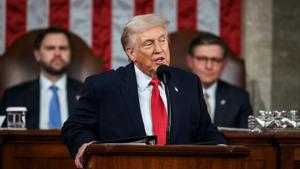
“I am worried about how these changes will prevent our students from seeking a higher education,” the state legislator said. “Postsecondary education prices continue to go up and are becoming more and more unaffordable for many Americans. And by getting rid of the Grad PLUS program and capping the new programs’ loan amounts at different prices for different degrees, the Trump administration is essentially blocking students from the opportunity to get better job opportunities, higher incomes and upward social mobility.”
Miranda added that excluding specific healthcare fields from the “professional degree” category threatens Arizona’s workforce.
The American Association of Colleges of Nursing shared the same concerns, posting a statement that the proposal could worsen existing health care shortages.
“AACN is deeply concerned by the Department of Education’s decision to move forward with a proposed definition of professional degree programs that excludes nursing and significantly limits student loan access. Should this proposal be finalized, the impact on our already-challenged nursing workforce would be devastating,” according to a Facebook post.
The U.S. Department of Education pushed back, addressing alleged misconceptions about the caps.
“Myth: Nurses will have a harder time securing federal student loans for their programs, contributing to the nationwide nursing shortage,” the department said. “Fact: According to Department of Education data, 95% of nursing students already borrow below the annual loan limit and therefore will not be affected by the new caps.”
The press release states loan limits could also incentivize graduate nursing programs to reduce tuition, preventing graduates from being burdened with unmanageable debt.
Ellen Keast, the department’s press secretary for higher education, told The Center Square that online misinformation has overshadowed the agency’s goals.
“Misinformation on TikTok has caused confusion about the Trump administration’s ongoing actions to implement student loan caps for graduate students,” Keast said. “While still in development, the Trump administration is implementing long-needed loan limits on graduate loans to drive down the cost of programs, and under the new limits, graduate nursing students will still be eligible to borrow up to $100,000 in federal student loans for their graduate programs.”




Chance Rain Showers
Latest News Stories

DHS thwarts Iranian terrorist threats at the northern border, World Cup ties

Minnesota man ordered to pay $2.5M in fraud case, faces no criminal charges
Everyday Economics: A new chair, a shorter statement, a Fed that stopped talking cuts

Illinois congressmen worry as DHS Secretary seeks to ‘protect election integrity’

Poll: 70% of Americans ‘concerned’ AI will take jobs
Meeting Summary and Briefs: Will County Board Executive Committee for June 11, 2026
Will County Mental Health Board Touts Crisis Program in Quarterly Report

Meeting Summary and Briefs: Will County Board Finance Committee for June 2, 2026
Will County Coroner Reports Nearly 8,000 Death Investigations in 2025
Lawmaker says Pritzker reacted too quickly to Grant Park cross burning
Sanders bill would give U.S. stake in AI companies; analyst calls idea ‘nutty’

Poll: Most Americans don’t trust AI for news