Nine pharmaceutical companies agree to most-favored-nation pricing
An additional nine of the world’s largest pharmaceutical companies have agreed to offer many of their most popular drugs at most-favored-nation pricing in the U.S.
This means that the U.S. will pay the lowest price for many prescription drugs among its economic peers. The initiative has been a major priority for President Donald Trump, according to top Health and Human Services officials, as he has sought to reduce prescription drug prices for Americans.
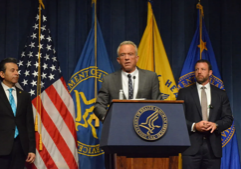
“We got a lot of calls from the president, and at one point in this negotiation, we just stopped answering our phones late at night because we couldn’t take it anymore,” said HHS Secretary Robert F. Kennedy, Jr.
The nine companies that joined the president and others from the Oval Office on Friday were the latest of a handful of pharmaceutical manufacturers that have done so over the past several months to announce similar deals with the administration. Fourteen of the 17 largest pharmaceutical companies in the world have now agreed to offer at least some of their drugs at most-favored-nation pricing in the U.S., according to Trump. Kennedy said it amounts to “95% of drugs” sold in the U.S.
For years, Americans have paid higher drug prices than their counterparts in other wealthy nations. Those higher prices help pharmaceutical companies fund their research and development, fueling innovation. Trump has argued that those companies have taken advantage of the U.S. and that America has essentially paid for innovation the whole world benefits from.
The companies present Friday were Amgen, Boehringer Ingelheim, Bristol Myers Squibb, Genentech (a part of Roche), Gilead Sciences, GSK, Novartis, Merck & Co. and Sanofi.


Showers And Thunderstorms
Latest News Stories

Louisiana native awaits Senate confrmation

Portland protests Trump’s plan to send federal troops to protect ICE facilities
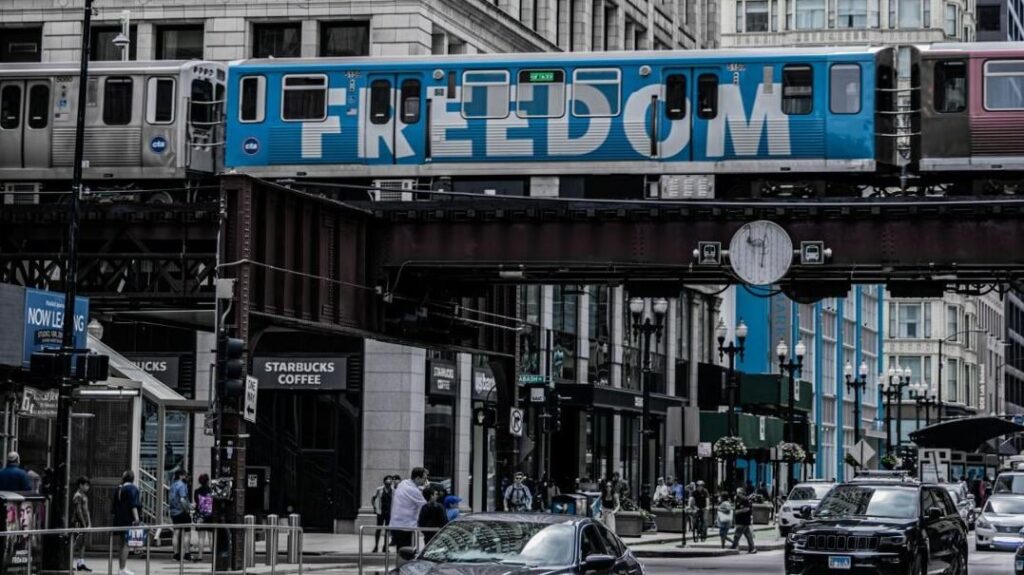
With potential mass transit service cuts looming, IL legislators seek reforms
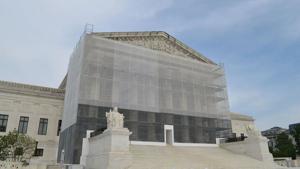
Trump asks Supreme Court to review birthright citizenship case again

Trump’s limited drug tariffs might not bring back U.S. manufacturing
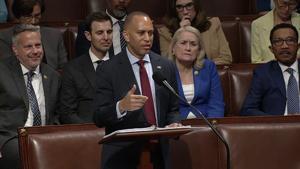
Government shutdown deadline days away, but Dems don’t budge on demands

Report: 25 state governments don’t have enough money to pay their bills
Officials react to DOJ voter roll lawsuit

Defense says more time needed for Tyler Robinson case
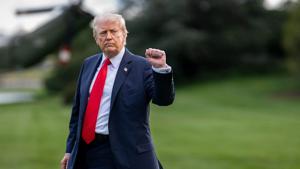
Tribal members want 15 minutes for oral arguments in tariff case
Welfare reform pilot to reduce government dependency is ‘step forward’, scholar says

Illinois quick hits: Pritzker monitoring federal deployments; IDOT discusses Chicago to Rockford plans

WATCH: Homeland Security arrests ICE protesters with guns; Bailey seeks Pritzker rematch