Cato scholar: Fraud being investigated in Minnesota likely occurring across U.S.
The widespread fraud in Minnesota that’s made national headlines in recent weeks is likely occurring in states across the country, Cato Institute scholar Chris Edwards told The Center Square in an exclusive interview. He called it a “remarkable cascade of fraud scandals.”
Edwards, an expert on federal and state tax and budget issues, wrote a detailed analysis of the fraud allegations for the Cato Institute.
The fraud in Minnesota highlights what he calls financial vulnerabilities in programs that rely mostly on federal versus state funding. “If we dug into many states, the problems would be just as bad,” Edwards said in an interview. “I’ve been writing about this for 20 years, a lot of these social welfare problems are and have been experiencing fraud.”
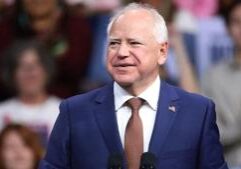
Taxpayers have been defrauded of a minimum of $250 million in just the Feeding our Future meal scandal alone. Congress has begun an investigation into the welfare fraud in Minnesota, with Gov. Tim Walz being called upon to testify before a congressional oversight committee.
Edwards’ analysis outlines the many Minnesota programs that are dealing with fraud, including housing services, child care, behavioral programming and autism centers, and the Integrated Community Supports (ICS) program.
“Because state governments are getting ‘free’ money from Washington, they don’t have the incentive to run them in a lean, efficient manner,” Edwards said.
Edwards said that he was also recently digging into the Supplemental Nutrition Assistance Program (SNAP) and said that the program has similar issues to child care and health care fraud. “States just aren’t taking initiative to crack down on it,” he said.
Edwards said that while congressional oversight committees are supposed to help keep fraud in check for these federally funded programs, most of the time those aren’t happening like they should be.
“If these programs, childcare and food programs, if they had been funded locally, I think Gov. Walz would’ve taken these problems a lot more seriously,” he said.
Edwards says that he believes the solution to the fraud would take some longer-term reform. “My reform is a longer term one in pushing the states to fund a higher share of these programs so that they have more skin in the game,” he said. “States need to put thresholds in for if a program spends a certain amount of money, then they receive more on site visits. We need actual state administrators visiting these places.”
He also expressed that the public interest in the fraud stories is a good thing and will help push for more change to happen. “We need to look at the data in more states, those run by both Democrats and Republicans,” Edwards said.






Isolated Rain Showers then Mostly Sunny
Latest News Stories

Appeals court: Serious Chicago police disciplinary hearings must be public
Will County Board Approves New Fee Schedule for Recorder of Deeds
WATCH: IL child welfare interns debate heats up; state financial audit released

Georgia ICE arrests up 367 percent from 2021, making for ‘safer streets, open jobs
Will County Board Formally Opposes Heavier, Longer Trucks on National Roadways

Illinois quick hits: CUB challenges Ameren rate hike plan

Will County Board Approves Permits for Landscaping Business and Restaurant Liquor Service in Frankfort Area
Crete Township Community Center to Get New Digital Sign
Will County Awards $1.46 Million Contract for Kankakee Street Bridge Replacement in Manhattan Township
Board Approves Engineering Contracts for Mokena Road Widening

Experts call for probe after Microsoft left out China ties in Pentagon security plan

FBI raids the home of John Bolton