Cato scholar: Fraud being investigated in Minnesota likely occurring across U.S.
The widespread fraud in Minnesota that’s made national headlines in recent weeks is likely occurring in states across the country, Cato Institute scholar Chris Edwards told The Center Square in an exclusive interview. He called it a “remarkable cascade of fraud scandals.”
Edwards, an expert on federal and state tax and budget issues, wrote a detailed analysis of the fraud allegations for the Cato Institute.
The fraud in Minnesota highlights what he calls financial vulnerabilities in programs that rely mostly on federal versus state funding. “If we dug into many states, the problems would be just as bad,” Edwards said in an interview. “I’ve been writing about this for 20 years, a lot of these social welfare problems are and have been experiencing fraud.”
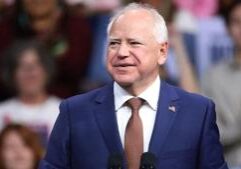
Taxpayers have been defrauded of a minimum of $250 million in just the Feeding our Future meal scandal alone. Congress has begun an investigation into the welfare fraud in Minnesota, with Gov. Tim Walz being called upon to testify before a congressional oversight committee.
Edwards’ analysis outlines the many Minnesota programs that are dealing with fraud, including housing services, child care, behavioral programming and autism centers, and the Integrated Community Supports (ICS) program.
“Because state governments are getting ‘free’ money from Washington, they don’t have the incentive to run them in a lean, efficient manner,” Edwards said.
Edwards said that he was also recently digging into the Supplemental Nutrition Assistance Program (SNAP) and said that the program has similar issues to child care and health care fraud. “States just aren’t taking initiative to crack down on it,” he said.
Edwards said that while congressional oversight committees are supposed to help keep fraud in check for these federally funded programs, most of the time those aren’t happening like they should be.
“If these programs, childcare and food programs, if they had been funded locally, I think Gov. Walz would’ve taken these problems a lot more seriously,” he said.
Edwards says that he believes the solution to the fraud would take some longer-term reform. “My reform is a longer term one in pushing the states to fund a higher share of these programs so that they have more skin in the game,” he said. “States need to put thresholds in for if a program spends a certain amount of money, then they receive more on site visits. We need actual state administrators visiting these places.”
He also expressed that the public interest in the fraud stories is a good thing and will help push for more change to happen. “We need to look at the data in more states, those run by both Democrats and Republicans,” Edwards said.


Showers And Thunderstorms
Latest News Stories

Board Approves New Chief of Staff and Dean Roles; Trustees Clash Over Hiring Transparency
Green Garden Township Residents Threaten Incorporation to Block 6,000-Acre Solar Farm

Microsoft hit with IL biometric class action over Teams call transcriptions
Amended Bears megaproject bill could have major impact on property tax payers
Illinois Quick Hits: Police report drop in homicide rates in East St. Louis
LA school board to discuss superintendent after FBI search

Convention of States rally pushes for fiscal restraint, limits on federal power

Illinois lawmakers push bipartisan energy choice package

Hillary Clinton ‘did not recall’ meeting Epstein, calls for Trump subpoena
Arizona House to consider bill on arrests of illegal immigrants

Walz proposes new gun restrictions in wake of Annunciation school attack
Trump heads to Corpus Christi on affordable economy tour