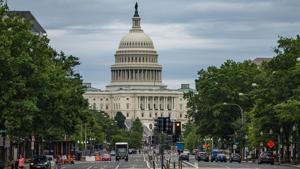
Tariff authority decision still awaited from Supreme Court
Tariff authority by second-term Republican President Donald Trump was not decided by the U.S. Supreme Court on Friday, meaning the federal government can continue to collect the revenue for now.
Businesses around the world had braced for a possible decision, but the high court released an unrelated opinion. The opinion could come nearly any time before the end of June.
Trump has made tariffs a central part of both his domestic and foreign agendas during his second term. Last April, Trump imposed import taxes of at least 10% on every U.S. trading partner. Since then, the president has suspended, changed, increased, decreased and reimposed tariffs under the 1977 International Emergency Economic Powers Act.
A group of states and small businesses challenged Trump’s tariffs under the 1977 law, winning in two lower courts before the administration appealed to the Supreme Court.
The high court agreed to hear the case on an expedited basis, given the economic stakes at issue. The Trump administration could be forced to refund more than $133.5 billion in tariffs to importers if the Supreme Court sides with the states and small businesses in the case.
Trump has called the case one of the most important of all time and said that an unfavorable ruling could result in economic ruin for America.
Businesses have reported that tariffs have pushed up prices for consumers.




Cloudy
Latest News Stories

Poll: Data center opposition more important than competition with China

Illinois Quick Hits: Fuel price drops below $4.25, still higher than in 2025
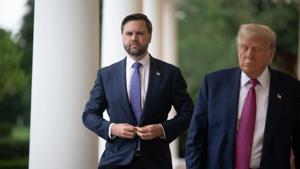
U.S.-Iran talks stalled after Israel-Hezbollah fighting

California’s billionaire tax officially heads to Nov. 3 ballot
Los Angeles County on track to raise sales tax to 10.25%

EXCLUSIVE: Individual targeted in foiled UFC terror plot speaks out

Disability-rights advocates sue Illinois over physician-assisted suicide law
Supreme Court backs gun rights for marijuana users in 9-0 decision
Iran deal omits terror proxies, ballistic missiles, human rights

‘No kings’ at $830 million Obama Center opening

Alleged UFC White House ringleader was in US illegally
‘Policy blunder’ or ‘pathway to peace’: Republicans divided over Iran deal