
Executive Committee: Update to Land Resource Management Plan; Solar Farms and Rural Zoning Dominate Discussion
Will County Board Executive Committee Meeting | January 8, 2026
Article Summary: The Will County Executive Committee initiated the first major update to the county’s Land Resource Management Plan since 2011. Board members urged consultants to prioritize stricter regulations on solar farms, protections for property rights in unincorporated areas, and the creation of zoning classifications for small-scale “micro-farms.”
Land Resource Management Plan Key Points:
-
Major Update: This is the first update to the county’s comprehensive land use plan in 15 years, a process expected to take 18 months.
-
Solar Farm Concerns: Board Member Steve Balich called for maximizing permit fees to discourage solar developments, citing the loss of farmland.
-
Rural Focus: Member Judy Ogalla requested new zoning classifications for small-scale agriculture (“micro-farms”) and ensuring township input is included.
-
Consultant Team: The update will be led by Tesco Associates, Baxter & Woodman, and AECOM to address land use, infrastructure, and economic trends.
JOLIET, Ill. — The Will County Board Executive Committee on Thursday, January 8, 2026, officially launched a comprehensive update to the Land Resource Management Plan (LRMP), setting the stage for a new 10-year vision for development, infrastructure, and preservation across the county.
Colin Duesing, the county’s long-range planner, introduced the consultant team led by Michael Blue of Tesco Associates. The update, the first since 2011, comes as the county grapples with rapid changes in technology, particularly the proliferation of solar farms and data centers.
Board Member Steve Balich (R-Homer Glen) wasted no time addressing the contentious issue of solar developments. Balich urged the consultants to explore ways to maximize permit and road use fees to make such projects less financially viable in the county.
“We’re losing really good farmland here,” Balich said. “Our environment is going to end up being a bunch of solar panels with a bunch of stakes in the ground.”
Member Judy Ogalla (R-Monee) emphasized the unique needs of the county’s southern and eastern rural areas. She advocated for the creation of a new zoning classification to support “micro-farms”—small operations of three to five acres where residents raise chickens or grow vegetables but do not meet the criteria for large-scale agricultural zoning.
“We have a lot of people that have moved from the municipalities… and they are doing small farming,” Ogalla noted. She also stressed the importance of engaging directly with townships that lack municipalities to ensure their voices are heard.
Committee Chair Daniel Butler (R-Frankfort) questioned how the new plan would protect the property rights of unincorporated residents who often feel overlooked by municipal expansion.
“People out in the unincorporated areas, they moved out because they didn’t like the rules… and they don’t want anybody telling them how they’re going to use it,” Butler said.
The consultants confirmed that the planning process will include open houses, stakeholder interviews, and public polls over the next year and a half.



Sunny
Latest News Stories
Will County Sees 50% Drop in Opioid Deaths, But Alarming Rise in Suicides
Will County Board Backs Effort to Rename ‘Stigmatizing’ Chicago Sanitary and Ship Canal
Access Will County Dial-a-Ride on Track for Full County-Wide Service in 2026

Arizona congressman calls for end to government shutdown

WATCH: Pritzker continues encouraging ICE protests after Guard blocked
Illinois quick hits: Ag incentives announced; Cook County announces increased budget
Senator urges Rubio to move forward designating Antifa a foreign terror organization
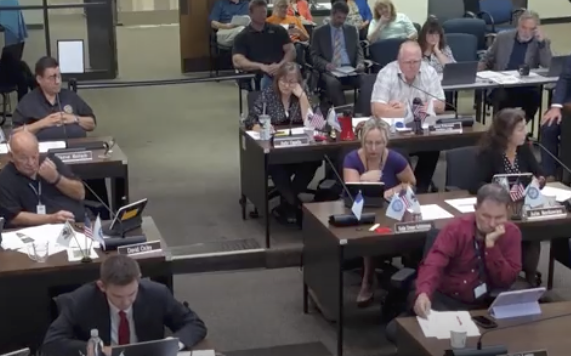
Divided Will County Board Authorizes Condemnation for 143rd Street Widening
Former board member expressed concerns about indicted DeKalb superintendent
Trump administration begins axing positions of furloughed federal workers

Fiscal Fallout: Illinois has among highest-paid state employees

Report: State reliance on federal funds up significantly since 1990s

Southwest low on list of safest states; Northeast at the top

Washington state attorney general agrees to protect seal of confession