Tariff uncertainty here to stay regardless of Supreme Court ruling
Even as small businesses wait for the U.S. Supreme Court to rule on President Donald Trump’s tariff authority, a supply chain expert says uncertainty around import duties will continue.
“Tariff uncertainty is here to stay, regardless of the ruling,” said Matt Lekstutis, director at Efficio, a global supply chain and procurement consultancy.
Trump has made tariffs a central part of his second-term agenda. Last April, Trump imposed import taxes of at least 10% on every U.S. trading partner. Since then, the president has repeatedly suspended and changed tariffs under the 1977 International Emergency Economic Powers Act.
A group of states and small businesses challenged Trump’s tariffs under the 1977 law, winning in two lower courts before the administration appealed to the Supreme Court. The high court agreed to hear the case on an expedited basis.
Lekstutis told The Center Square that the most likely outcome is a narrow procedural ruling from the Supreme Court that would clarify limits on presidential tariff authority without invalidating the import taxes.
That would mean tariffs would remain in place with continued pressure on prices.
Lekstutis said most businesses have already taken steps to diversify their supply chains.
“They recognize that they’re living in a world of complex volatility related to geopolitics … and that these kinds of changes are going to continue regardless of how this ruling goes,” he told The Center Square.
If the Supreme Court rules against Trump on tariffs, it could take months to unwind the taxes under the International Emergency Economic Powers Act. Lekstutis said Trump can use other laws that more explicitly give him the power to impose tariffs, but those measures come with limits and more Congressional oversight.
Refunds could be complicated as well.
“That process will likely take a lengthy period of time,” he told The Center Square, saying it could take years.
Trump has previously suggested that a ruling against his tariffs would lead the nation to economic ruin.
Businesses have reported that tariffs have pushed up consumer prices.



Chance Rain Showers then Partly Sunny
Latest News Stories

Illinois news in brief: Cook County evaluates storm, flood damage; Giannoulias pushes for state regulation of auto insurance; State seeks seasonal snow plow drivers

Governor defends mental health mandate, rejects parental consent plan

Illinois quick hits: Arlington Heights trustees pass grocery tax
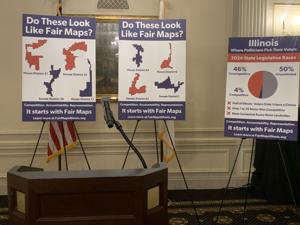
Plan launched to place redistricting amendment before voters in 2026
Illinois GOP U.S. Senate candidates point to economy, Trump gains

Facing Budget Crisis, Peotone Committee Questions Athletic Field Project
Committee Summary and Briefs: Peotone Board of Education Committee of the Whole
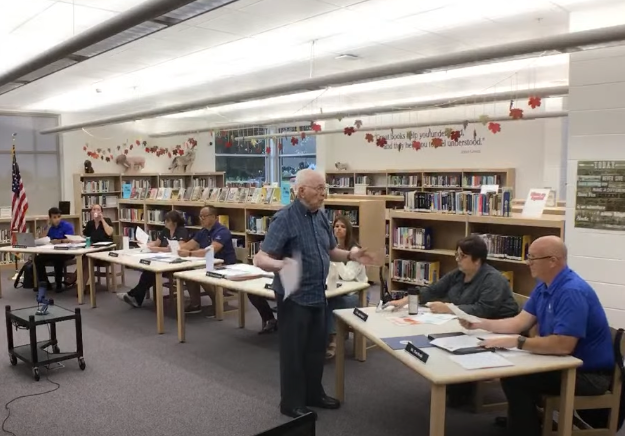
Committee of the Whole Eyes School Closures and New Construction Amid Budget Crisis
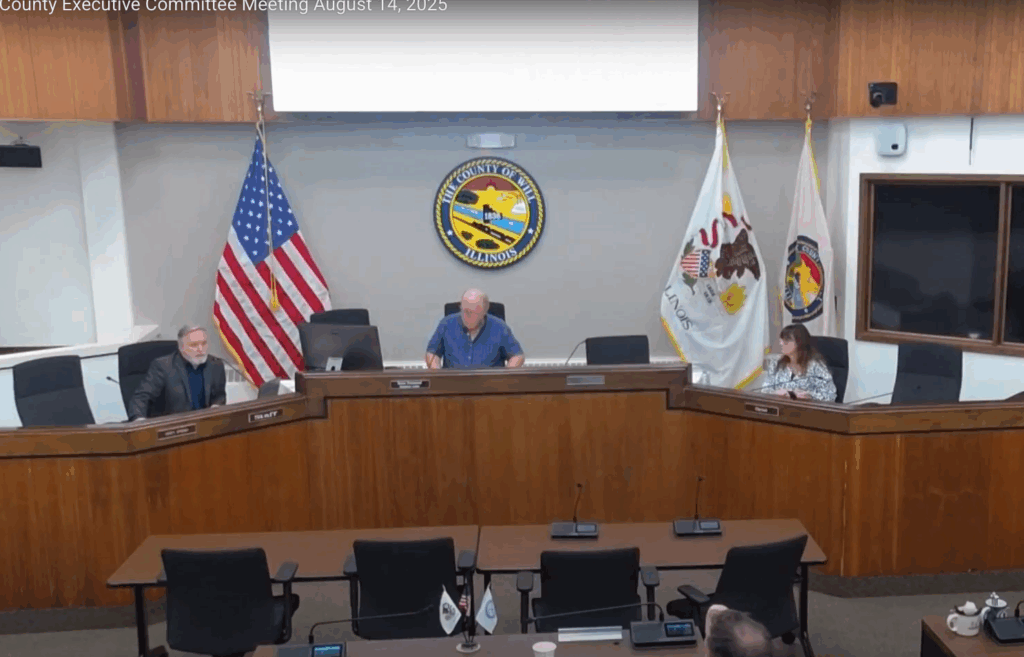
Executive Committee Details Spending of $134 Million in Pandemic Relief Funds

Lawmaker criticizes $500 student board scholarships amid lowered K‑12 standards

Illinois news in brief: Work begins on $1.5 billion O’Hare expansion; Police catch man accused of road rage, shooting
WATCH: Dems, GOP battle over CA redistricting