
States, caregivers can now view key metrics for state child welfare systems
Foster parents, caregivers and state agencies can now review high-level data of all 50 states’ child welfare systems, comparing permanency and safety outcomes across states.
These performance indicators were previously only available within federal and state child welfare systems, and there was no uniform dashboard states could readily access to compare their data to other states.
The Administration for Children and Families worked to create a public dashboard pursuant to goals outlined in a November executive order aiming to improve the nation’s foster care system. The hope is that states can easily measure their performance against other states and use the data to collaborate and learn from one another. Potential or current caregivers can also look at their state’s rates of maltreatment of children in foster care compared to other states and the national average; they can also view statistics on their states’ permanent placements – how quickly foster children typically exit the foster system and are either reunited with their families, living with a relative, adopted or placed with a legal guardian.
“Good data drives better decisions for America’s children,” said Assistant Secretary for the Administration Alex Adams. “We are delivering radical transparency in child welfare so the federal government, state leaders, advocates, and families can more efficiently work together to ensure children in foster care are safe and growing up in loving homes.”
The administration will work to improve the dashboard with more “user-friendly interfaces” and “expanded comparison tools” and is ultimately aiming for a “more succinct scorecard fully aligned with the goals of the executive order for improved outcomes for children and families,” according to a press release.
In November, President Donald Trump signed an executive order with several directives on enhancing data collection and sharing and leveraging new and advanced technologies to modernize child welfare information systems. One of those directives was the publication of an annual scorecard measuring “key outcomes and metrics” of state child welfare systems.
The initiatives laid out in the order are intended to decrease the average amount of time children spend in foster care, speed foster and permanent placements, accelerate reporting, ease caseworkers’ workloads and better connect older children with educational and career opportunities.






Chance Rain Showers then Partly Sunny
Latest News Stories
Meeting Summary and Briefs: Will County Ad-Hoc Ordinance Review Committee for August 12, 2025

Legislators criticize Illinois’ utility policies as ‘unsustainable’

D.C. attorney general sues Trump administration, claiming ‘unlawful’ takeover

What’s on the table for Trump’s meeting with Putin?

WATCH: Illinois In Focus Daily | Friday Aug. 15th, 2025

Federal government to drop 300,000 workers this year

Illinois quick hits: Ex-student sentenced for school gun, time served; fall semester beginning
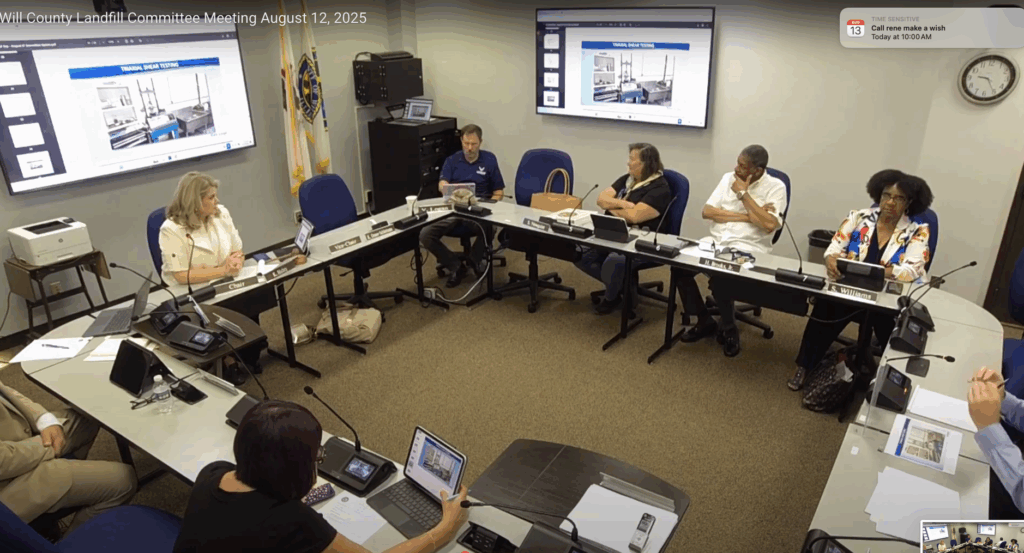
Report Finding Few Trucks Littering Sparks Debate on Cleanup Responsibility

Grand jury indicts accused killer of Minnesota lawmaker

Sailors return to San Diego after extended Navy deployment

Under pressure, RFK Jr. brings back childhood vaccine safety committee

Illinois quick hits: Search continues for Gibson City suspect; manufacturing declines since 2000