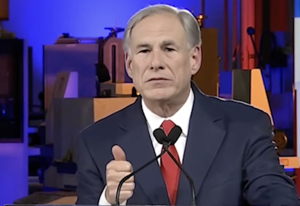
Census projections show red states to see gains in U.S. House seats, electoral college
Several blue states appear set to lose electoral college votes while red states will make sweeping gains, new data from the U.S. Census Bureau suggests.
On Tuesday, the U.S. Census Bureau announced a significant decrease in U.S. population growth, largely due to less international immigration.
However, analysis of the census data revealed several noteworthy takeaways in domestic migration trends that could affect electoral college and congressional makeup.
Electoral votes are allocated to states based on the Census. Each state is allocated a number of electoral votes based on the number of U.S. Senators and Representatives in that state.
The District of Columbia is allocated three electors in the Electoral College.
The American Redistricting Project estimated Texas would gain four seats in 2030 based on recent Census data and Florida would gain two seats. On the other end, California is projected to lose 4 seats.
North Carolina, Georgia, Idaho, Utah and Arizona would gain one additional seat respectively. However, New York, Pennsylvania, Wisconsin, Minnesota, Illinois and Oregon would lose one seat, respectively.
Democrat leaders expressed concern over these new projections and criticized mid-decade redistricting efforts across the country. John Bisognano, president of the National Democratic Redistricting Committee, called on Democrats to respond to redistricting efforts.
“Republicans have enacted mid-decade gerrymanders in states like Texas and North Carolina by drawing maps that aim to further silence the very communities driving the most population growth,” Bisognano said.
Jonathan Cervas, a redistricting forecaster at Carnegie Mellon University, shared similar predictions as the American Redistricting Project. However, Cervas predicted Florida would gain four seats instead of two and New York would lose two seats instead of one.
David Hogg, a former leader in the Democratic National Committee, called on Democrats to build support in the South to counter reapportionment.
“If we don’t start building infrastructure in the South and start winning states like Texas, Georgia, North Carolina and Florida, we can kiss goodbye any chance of winning the White House in the 2030s,” Hogg said.






Chance Rain Showers then Mostly Cloudy
Latest News Stories

Illinois quick hits: Man on pretrial release accused of murder; holiday weekend impaired driving patrols
GOP legislators propose creating new state from CA counties

Illinois quick hits: Gun ban challengers petition SCOTUS; man sentenced for COVID fraud

WATCH: Trump: Illinois’ ‘slob of a governor’ should call for help with public safety
WATCH: Legislator says Illinois’ child welfare agency uses interns, has legal exposure

Economic index shows reduced uncertainty, more stability in Midwest

New law sparks debate over Illinois school mergers, communities fear loss

Illinois in Focus: Rest area burglary arrests made; overdose awareness events planned

Nonprofit files complaints against Trump attorneys but almost no public discipline

Everyday Economics: Softer tape, PCE in focus, and the Fed’s next move

Marine’s mother takes on troop transport duties for family visits

Trump plans to clean up Democrat-run cities over local objections