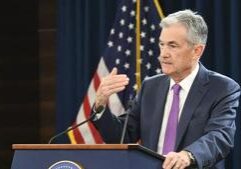
Fed keeps interest rates steady in first meeting of 2026
The Federal Reserve kept interest rates steady in its first meeting of 2026, as economists expected.
Federal Reserve officials kept lending rates between 3.5-3.75% after issuing three cuts last year. In a statement, officials pointed to low job gains and stabilization in the unemployment rate behind their decision.
Officials urged a return to the 2% inflation rate and increasing employment numbers. The January inflation report, based on December 2025 data, revealed a 2.7% inflation rate.
In December 2025, the unemployment rate was 4.4%.
“The Committee’s assessments will take into account a wide range of information, including readings on labor market conditions, inflation pressures and inflation expectations, and financial and international developments,” Federal Reserve officials wrote in a statement.
Two governors on the board, Stephen Miran and Christopher Waller, voted against keeping the rates steady, instead suggesting lowering rates by 0.25%. The nine other members of the board voted to keep rates unchanged, including Chair Jerome Powell.
Powell is expected to hold a press conference on the decision Wednesday afternoon.



Mostly Sunny
Latest News Stories

Illinois quick hits: Woman charged in Metro East murder; taxpayer funded homeowner relief fund announced

WATCH: Former state lawmakers endorse, donors support GOP candidate Dabrowski

Louisiana native awaits Senate confrmation
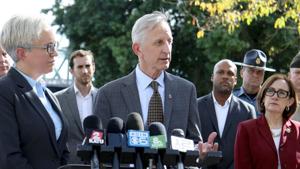
Portland protests Trump’s plan to send federal troops to protect ICE facilities

With potential mass transit service cuts looming, IL legislators seek reforms
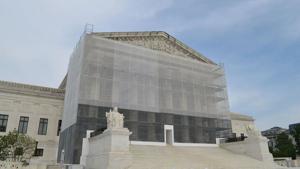
Trump asks Supreme Court to review birthright citizenship case again

Trump’s limited drug tariffs might not bring back U.S. manufacturing
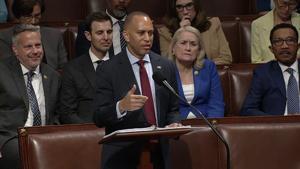
Government shutdown deadline days away, but Dems don’t budge on demands

Report: 25 state governments don’t have enough money to pay their bills
Officials react to DOJ voter roll lawsuit

Defense says more time needed for Tyler Robinson case
Tribal members want 15 minutes for oral arguments in tariff case

Welfare reform pilot to reduce government dependency is ‘step forward’, scholar says