Fed keeps interest rates steady in first meeting of 2026
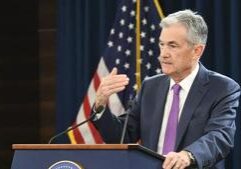
The Federal Reserve kept interest rates steady in its first meeting of 2026, as economists expected.
Federal Reserve officials kept lending rates between 3.5-3.75% after issuing three cuts last year. In a statement, officials pointed to low job gains and stabilization in the unemployment rate behind their decision.
Officials urged a return to the 2% inflation rate and increasing employment numbers. The January inflation report, based on December 2025 data, revealed a 2.7% inflation rate.
In December 2025, the unemployment rate was 4.4%.
“The Committee’s assessments will take into account a wide range of information, including readings on labor market conditions, inflation pressures and inflation expectations, and financial and international developments,” Federal Reserve officials wrote in a statement.
Two governors on the board, Stephen Miran and Christopher Waller, voted against keeping the rates steady, instead suggesting lowering rates by 0.25%. The nine other members of the board voted to keep rates unchanged, including Chair Jerome Powell.
Powell is expected to hold a press conference on the decision Wednesday afternoon.


Isolated Rain Showers then Mostly Sunny
Latest News Stories

Green Garden Township’s Wildflower Farm Granted Third Extension for Rural Events Permit
Will County Lowers Cedar Road Speed Limit Amid Debate Over Curve Safety and Fatalities

Nine Will County Municipalities Face Expired License Plate Reader Agreements; Crest Hill Opts Out
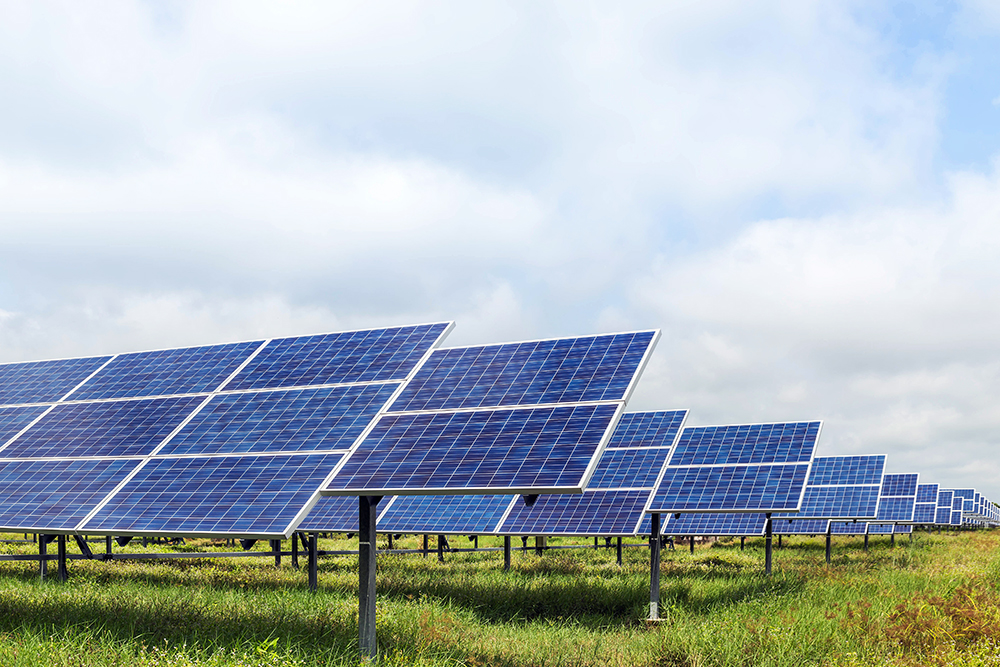
Judge Orders Will County Board to Approve Previously Denied Solar Farm Permits
WATCH: California probe ends $267M in alleged hospice fraud
Ex-Blago attorney: Quid pro quo is key to Madigan appeal
Illinois Quick Hits: House GOP says no Bears deal without property tax reform

WATCH: More than $600 million stolen from SNAP in 2025
Melania Trump denies any relationship with Jeffrey Epstein
War Powers Resolution halting Trump’s Iran ambitions fails in U.S. House
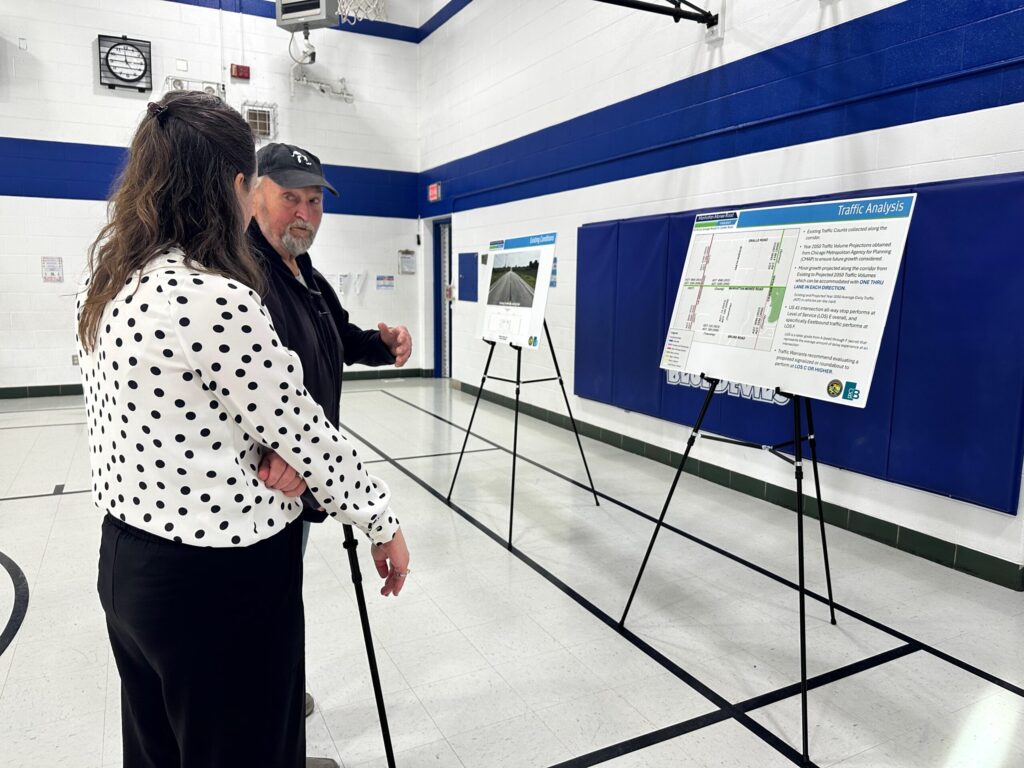
Will County DOT Hosts Open House on Manhattan-Monee Road Project
Answers wanted to ‘pathetic’ state procurement issues