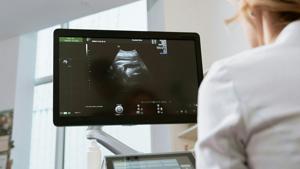
Remote marriage license bill faces skepticism from former clerk
(The Center Square) – A new Illinois proposal aimed at expanding access to marriage licenses for people with disabilities or serious health conditions is drawing skepticism from a state lawmaker and former county clerk.
House Bill 4508 would allow people with disabilities or serious health conditions to apply for a marriage license through a real-time video call and, in limited cases, permit a county clerk or designee to complete the application at an applicant’s location.
Supporters say the bill removes barriers for those with mobility challenges, while critics, like state Sen. Sally Turner, R-Beason, argue it would add administrative burdens and raises concerns about verifying eligibility remotely.
“The state doesn’t have any money to put toward this, and the counties have no money because we keep taking it away from them on a state level,” Turner said. “If it’s one more burden on the clerk’s offices, it’s ridiculous.”
Turner served as Logan County Clerk and Recorder from 1994 for over a decade before joining the Illinois Senate in 2021.
Turner also questioned how clerks would verify eligibility requirements remotely, including age restrictions, parental consent for minors and citizenship-related questions that may appear on marriage applications.
“I don’t know how you’re going to certify that all that information is true and correct if that person doesn’t sign off on the document in person,” she said. “Then there’s the problem of if you’re under 18, parents have to give their permission. How does all that work?”
While Turner said she supports helping residents who genuinely cannot travel, she questioned whether the bill addresses a widespread need.
Turner emphasized that while many counties already allow marriage applications to be filled out online, applicants are still required to appear in person to verify their identities and swear that the information provided is true and correct. Turner questioned whether moving the application process fully online would undermine that verification, particularly in smaller counties with limited staff and resources.
“Let’s just take one of the southern counties, Franklin County, this might have two people that work there,” she said. “Who’s going to come up with this program? Who’s going to do the virtual setting? Are you going to hire more people to do this?”
She also expressed broader concerns about moving sensitive government processes online, pointing to cybersecurity risks.
“Anything that goes out through the internet is scary,” Turner said. “People can hack into cyberspace and manipulate things. I think it’s important to keep everything solidly within the clerk’s boundaries.”
The bill states that requests for in-person accommodations at an applicant’s location would need to be supported by a written certification from a medical professional stating that the accommodation is necessary to prevent hardship.
“We all want to help individuals that are unable to get out to the clerk’s office on their own,” she said. “But if it’s a legal document, then I think we need to pay careful attention to it.”






Sunny
Latest News Stories
Public Works Committee Considers Taking Over Kankakee County Line Road to Expedite Bridge Repairs

Trump signs order protecting Venezuelan oil revenue from legal claims

Retirements and resignations to impact midterms as balance of power at stake
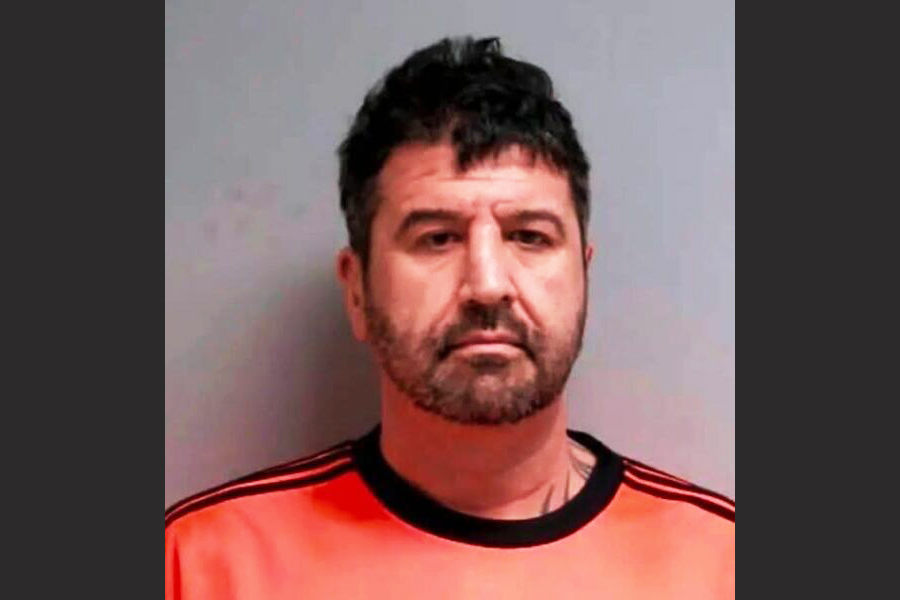
Peotone Man Charged With Disorderly Conduct, Criminal Damage at New Lenox Target

U.S. Supreme Court to hear anti-oil cases with energy costs on the line

Constitutional concerns raised over Illinois’ first civil hate crime case
Executive Committee: Update to Land Resource Management Plan; Solar Farms and Rural Zoning Dominate Discussion
Will County Committee Adds Path to Citizenship Support to Federal Agenda
Health Department Outlines Major Reduction in Consensus Vaccine Schedule

Peotone Staves Off Herscher Comeback for 28-25 Victory
Public Works Committee Forwards Condemnation Proceedings for Francis and Marley Road Improvements

Finance Committee: Scholarship Tax Credit Discussion Halts