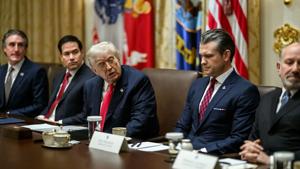
Senators weigh American privacy risks in FBI Investigations
The Senate Judiciary Committee heard testimony on Wednesday to consider the reauthorization of a surveillance tool that has improperly collected citizens’ private conversations.
The Foreign Intelligence Surveillance Act was first established by Congress in 1978 to mitigate foreign terrorist threats.
Section 702, established in 2008 to amend FISA, only permits the targeting of non-U.S. citizens for surveillance purposes and does not require a warrant. However, accusations of civilians’ privacy being invaded by the FBI have continued.
“It appears that Americans don’t care for that any more than they did at the time of the British controlling this country,” said Sen. Dick Durbin, D-Ill. “It appears that people want to know, ‘By what right are you doing this to me?’ And that is a legitimate question when it comes to questions of privacy.”
U.S. Sen. Mike Lee, R-Utah, said that issues regarding Section 702 have been repeatedly discussed with similar arguments being made without real progress in protecting U.S. citizens.
“The arguments go something like this: Yes, there have been problems in the past. Yes, there have been abuses of FISA 702, but you need not worry, because we now have procedures in place, administrative procedures, that will fix the problem once and for all. We now have to have even more layers of administrative approval within the agencies charged with administering this framework, and so you need not worry. What you ought to be worried about is another 9/11. What you ought to be worried about is that we are all going to die unless the US government has the ability to collect content of private communications involving US citizens without a warrant,” Lee said. “I find this rather troubling, because that’s that’s not what the Constitution sets up.”
Adam Klein, a professor at the University of Texas in Austin, argued that requiring warrants for queries, which are searches through government databases for information the government already collected, may delay investigations that could potentially prevent future terrorism. He also said American citizens could find comfort if queried, as they are not the subjects of investigation, despite their private conversations being observed by the FBI to investigate foreigners.
Sen. Josh Hawley, R-Mo, rebuffed this idea, arguing that just because U.S. citizens are not the primary targets of investigation does not mean their privacy was not improperly targeted and abused.
“The idea that we would renew 702 without some sort of reforms to protect U.S. citizens, I think, is just totally irresponsible,” Hawley said.



Showers And Thunderstorms Likely then Chance Showers And Thunderstorms
Latest News Stories

Some blame taxes as Illinois grows on paper but loses residents
Illinois quick hits: Cannabis company sued for alleged sexual harassment; Reparations class action suit to proceed; Disaster declaration approved for August 2025 storms
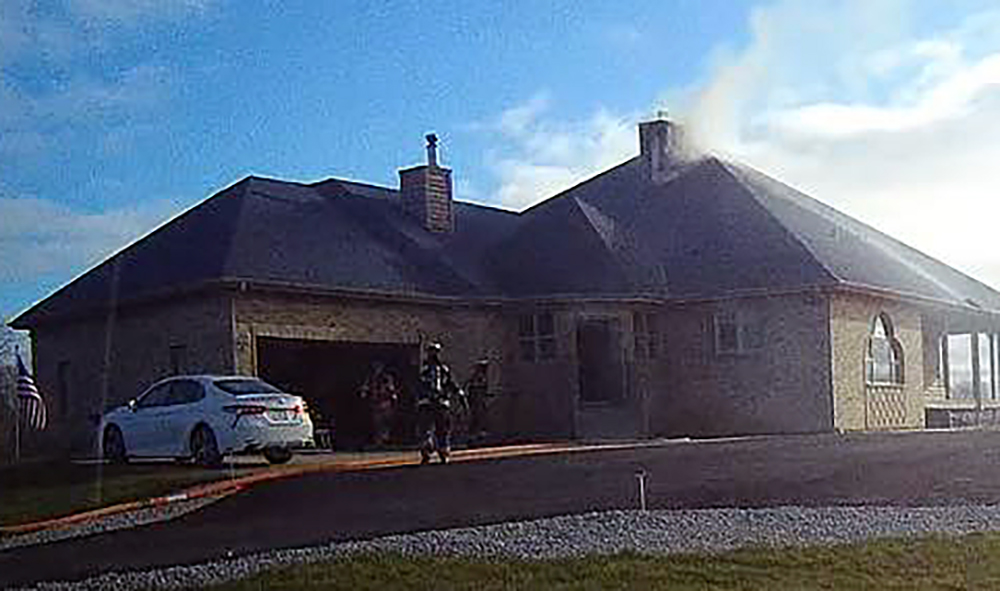
Manhattan Firefighters Extinguish Chimney Fire on South Egyptian Trail

One Dead, Two Hospitalized Following Overnight Shooting at Crete Family Party
Phoenix renames Cesar Chavez Day, imposes limits on ICE

Gas prices approach $4 a gallon in U.S., $6 in California
Rep: $111 million for community violence intervention is out of touch
Congress requests documents after reports on California hospice fraud
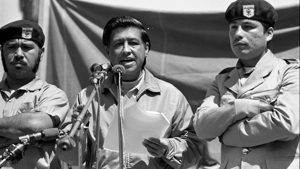
California, Arizona work on removing Cesar Chavez’s name

Maryland climate ruling tees up U.S. Supreme Court case
IL committee advances speaker’s bill to restrict federal detention centers

Poll: 70% of Americans support in-person requirement for abortion pills