Food companies push back on Pennsylvania bills to ban certain food products
Representatives of the American Beverage Association said Tuesday the proposed bans for artificial ingredients in Pennsylvania are unnecessary and advocated for a national FDA-approved standard for processed foods instead of state-by-state restrictions.
Ed Patru, senior vice president of Public Affairs at American Beverage, argued that the policies currently in place already take into account consumers’s health and that the suggested restrictions would create more financial issues than healthier food.
“The disagreement starts when policymakers push mandates and bans on commonly used ingredients that are proven safe,” Patru said. “Ingredient bans impose costs on businesses, limit consumer choice and ultimately drive up grocery prices.”
Several bills have been filed in Pennsylvania, that would ban certain types of food and beverages from being purchase with SNAP benefits, restrict the use of certain additives such as BHA, certain dyes, and others.
Dr. Lyle Burgoon, president and CEO of Raptor Farm & Tox Ltd., argued that the ingredients in question to be banned are some of the most well studied and safe to consume products. He also said that the studies about these artificial ingredients have been dramatized to scare consumers.
“These are studies that are extremely high doses where they’re looking for toxicity. That’s why they treat at such high doses,” Burgoon said. “What they’re trying to do is they’re trying to see some kind of big response. But again, it’s not actually happening in humans.”
Alex Baloga, president and CEO of Pennsylvania Food Merchant Association, was more worried about the packaging legislation. He argued that the reformulation of products and redesigning packaging for the mandatory labels will ultimately result in higher costs for businesses and consumers.
“We would rather see discussion, robust discussion, which I think is taking place around these issues, that takes into account consumer safety, product safety, but also, ultimately, the cost on consumers that could be passed down if some of these processes and policies are implemented,” Baloga said.
Patru stated that consumers want transparency and clarity regarding the food they purchase and thus would be more interested in a national food legislation approved by the FDA.
“What’s approved in one state is not approved in another. It doesn’t create clarity for consumers, and it burdens businesses. And so I think if you ask most Americans, the vast majority of consumers would prefer to have this national standard,” Patru said.






Slight Chance Showers And Thunderstorms
Latest News Stories
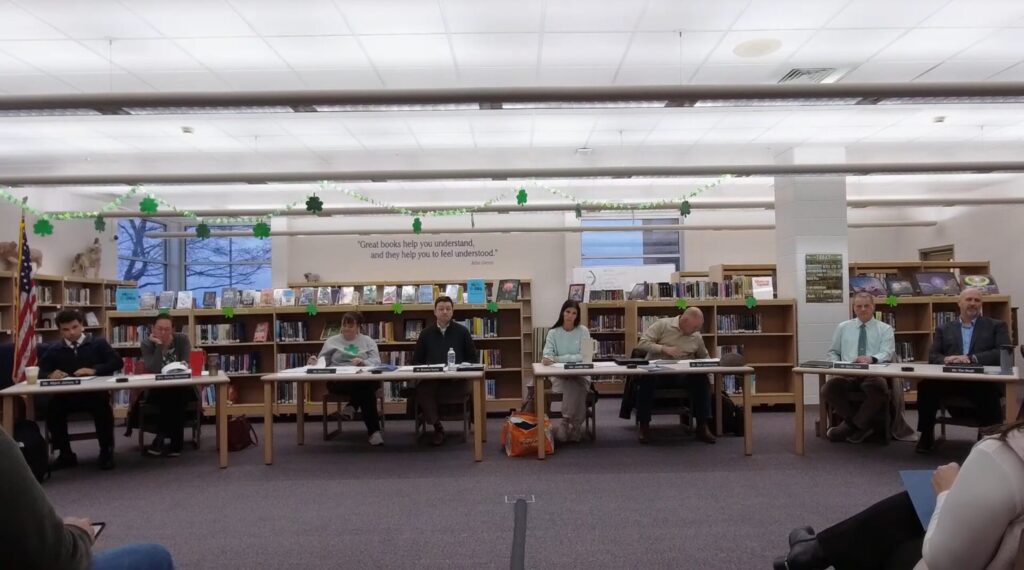
Peotone 207U Board Confronts Budget Pressures, Facility Needs at March 16 Meeting
Ad-Hoc Committee: Will County Sheriff’s Office to Acquire Decibel Meters for Noise Complaints
Crest Hill Homeowner Granted Side Yard Setback Variance for Accessible Addition
Will County Public Works Approves Access for 56-Acre Truck Services Hub on Manhattan-Monee Road
Committee Approves $317K Guardrail Maintenance Contract Amid Discussion on Installation Dangers
State Update: County Officials Raise Alarms Over Pritzker’s ADU Zoning Push and Data Center Tax Breaks
Federal Update: DHS Shutdown, War Powers, and Housing Legislation Dominate Washington
Will County Approves Diamond Enterprise Zone Expansion to Support $355 Million Energy Investment

Will County Corporate Revenues Surpass Expectations, Igniting Debate Over Delinquent Tax Sales

Will County Grants Extensions for Seven Solar and Commercial Projects Amid Permitting Delays
Meeting Summary and Briefs: Will County Public Works and Transportation Committee for March 3, 2026
Will County Committee Postpones Liquor, Ad-Hoc Committee: Gaming, and Tobacco Ordinance Updates Amid Extensive Revisions
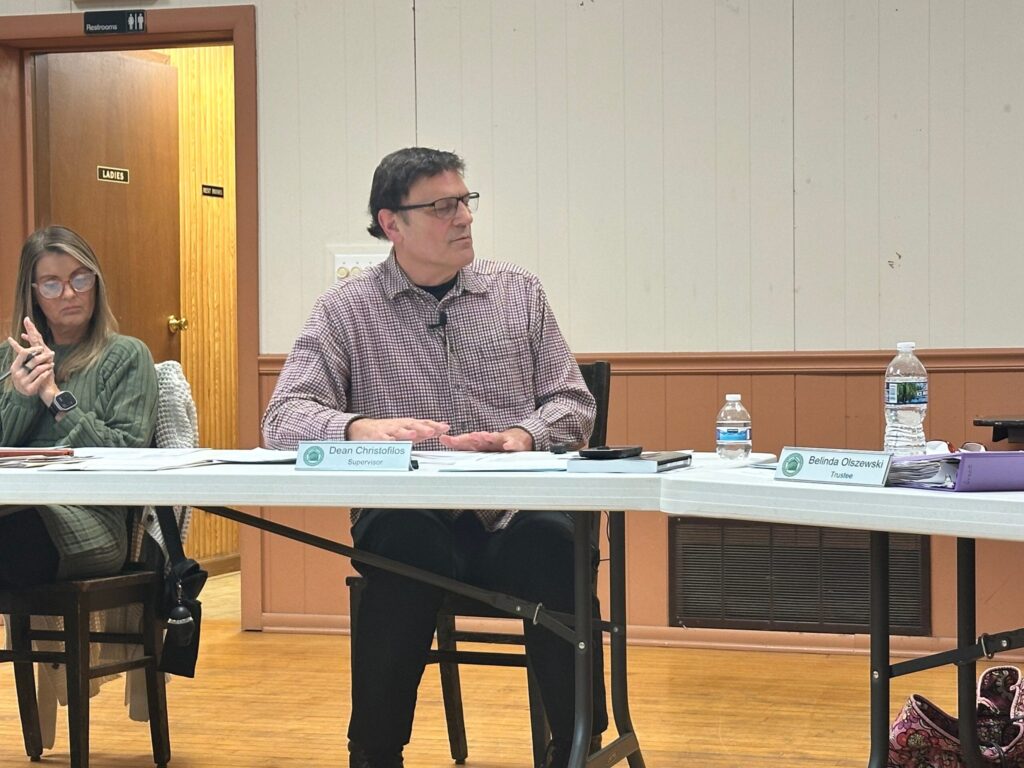
Green Garden Township Board Opposes Earthrise Solar Project, Begins Exploring Incorporation
Land Use Committee Approves 4.98-Megawatt Solar Facility on Eagle Lake Road Near Peotone