Pritzker looks for rules for federal school choice scholarship program
(The Center Square) – Despite having a similar state program expire, Illinois Gov. J.B. Pritzker remains on the fence about whether to opt Illinois into the federal Education Freedom Tax Credit.
As part of federal legislation President Donald Trump signed last summer, beginning in 2027, states can take part in a program that gives private donors of scholarship granting organization individual federal tax credits of up to $1,700 for school choice scholarships. States have to opt in.
The U.S. Department of Education Tuesday detailed 23 states have opted in – Alabama, Alaska, Arkansas, Georgia, Idaho, Indiana, Iowa, Louisiana, Mississippi, Missouri, Montana, Nebraska, Nevada, North Dakota, Ohio, Oklahoma, South Carolina, South Dakota, Tennessee, Texas, Virginia, West Virginia, and Wyoming.
For Illinois, Pritzker said he hasn’t seen the rules yet.
“Until we have that, right, just on its face, the question is, is this just a repeat of trying to take money out of public schools and move it into private schools, which is what the Trump administration, generally speaking, has been in favor of?” Pritzker said at an unrelated event Wednesday. “Or is this something that could be useful? But we just don’t know because there are no rules around it right now.”
Lori Smith, who is a Republican running for the Illinois Statehouse, said school choice is important.
“We are setting their selves up for such failure. I’ve seen it in my entire career. The kids can’t read, they can’t do math,” Smith told TCS. “They can’t do, you know, life skills. So what do they do? They get sucked into the gang life.”
Before it expired at the end of 2023, the Illinois’ Invest in Kids program allowed Illinois residents and businesses to receive a tax credit worth 75% of their contributions for low-income students to attend qualified private and technical schools.
With the federal government preparing to launch a similar program nationwide next year, states have to opt in. Wednesday, Pritzker said he hasn’t seen the rules.
“The state program, that Invest in Kids program, had its own rules that were written into the legislation. We knew what that was, how that was supposed to be used,” Pritzker said. “We don’t know what the federal program will be used for, and that’s what we’re waiting rules for.”
A fact sheet from the U.S. Department of Education said individual tax credits on up to $1,700 for school choice scholarships does not involve public tax dollars and spells out what the scholarship donations can be used for.
“For some families, this could mean using scholarships to pay for private school tuition at a school they choose,” the fact sheet said. “Other students will benefit from buying the equipment or uniforms needed for a career training program at a secondary school. Other families may seek a scholarship for tutoring or for afterschool enrichment programs. The options are expected to vary in line with students’ unique academic needs, the focus of a particular [scholarship granting organization], and the educational opportunities available to students.”
Jim Talamonti contributed to this story.
###




Sunny
Latest News Stories

Supreme Court blocks ICE contractor immunity appeal

Report: Patchwork state food laws could raise grocery prices 12% nationwide
Trump calls out Minnesota in State of the Union, prompting Democrat protests
Parents could gain access to school discipline evidence under proposed bill
State of the Union highlighted political fracture between Democrats, Trump
Illinois Democrats dispute Trump statements during State of the Union

Illinois Quick Hits: State taxpayers to help restore historic Chicago hotel
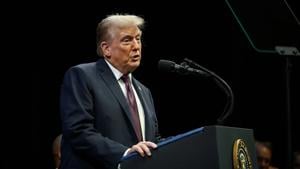
Trump moves ahead with tariff plans after Supreme Court ruling

Illinois racial wealth gap among largest in country

Judge: Right to sue under IL biometrics law too important to end suit vs Meta
Executive Committee: Tension Rises as Republican Whip Removed from Panel
Ad-Hoc Committee: County Stripped of Power to Regulate Motor Races, Must Drop Solicitor Fees Due to State Statutes

Commission Overrides Staff Recommendation, Approves Manhattan Township Barn Expansion
Chicago could owe $100M+ in refunds for excessive city tickets