Trump administration halts $259M in Medicaid funds to Minnesota
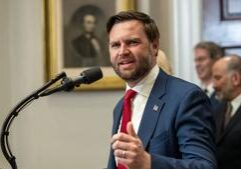
The Trump administration will halt approximately $259 million in federal funds from Medicaid in Minnesota, Vice President JD Vance said Wednesday.
Vance, alongside Administrator for the Centers of Medicare and Medicaid Services Mehmet Oz, cited concerns of fraud for the pause in payments. Oz said the exact figure is based on an audit in Minnesota over the last three months of 2025.
“Far too many people have gotten rich by taking what is the best of the American spirit and getting rich off of it, instead of providing services to kids who need it,” Vance said. “That is stopping today.”
Oz cited examples in Minnesota where health care providers for children with autism made false claims to the government in order to receive federal payments. In one example, a health care provider billed the federal government for eight patients who were dead, according to Oz.
He said the fraud schemes tend to be insulated to immigrant communities in Minnesota and involve reported services that were never delivered.
Vance and Oz gave Minnesota Gov. Tim Walz a 60-day deadline to propose a plan addressing the fraud in order for the government to release withheld funds. Oz clarified that the state government already has funds to cover the costs of necessary services but will simply not be reimbursed by the federal government until a solution is announced.
“This is not a problem with the people of Minnesota,” Oz said. “It’s a problem with the leadership of Minnesota and other states who do not take Medicaid preservation seriously, any delay in services is going to be and should be laid at the seat of Governor Walz.”
Vance said he is looking for proof from leadership in Minnesota that Medicaid payments are being verified and provided for accordingly.
“The fact that there are so many people handing out millions and billions of dollars of federal Medicaid money without even confirming that they’re doing the thing that they say that they’re doing, it’s a disgrace,” Vance said. “It’s a defrauding of the American taxpayer, and we’re stopping it.”
Oz estimated fraud, waste and abuse payments in healthcare across the country total about $500 billion.
Vance and Oz also announced a six month moratorium on durable medical equipment enrollment. This includes orthotics equipment and other medically necessary devices. Oz said the issue with medical equipment is becoming a large problem across the country.
“This unfortunate necessity is going to allow us to get on top of what we believe is billions of dollars of DME frauds,” Oz said. “We already stopped a billion and a half dollars of billing, but we need more time to shut down these bad guys.”
Oz and Vance said there will be more announcements “soon” to tackle fraud in other states. They mentioned California and New York as particular examples but did not make any official announcements on efforts in either states.
“Our social safety net will disappear unless we take fraud more seriously,” Vance said. “What I’m most worried about is that unless we preserve these programs for the next generation, they’re going to disappear, and all the money is going to go to fraudsters.”



Mostly Sunny then Slight Chance Showers And Thunderstorms
Latest News Stories

Will County Board Approves New Fee Schedule for Recorder of Deeds

WATCH: IL child welfare interns debate heats up; state financial audit released

Georgia ICE arrests up 367 percent from 2021, making for ‘safer streets, open jobs
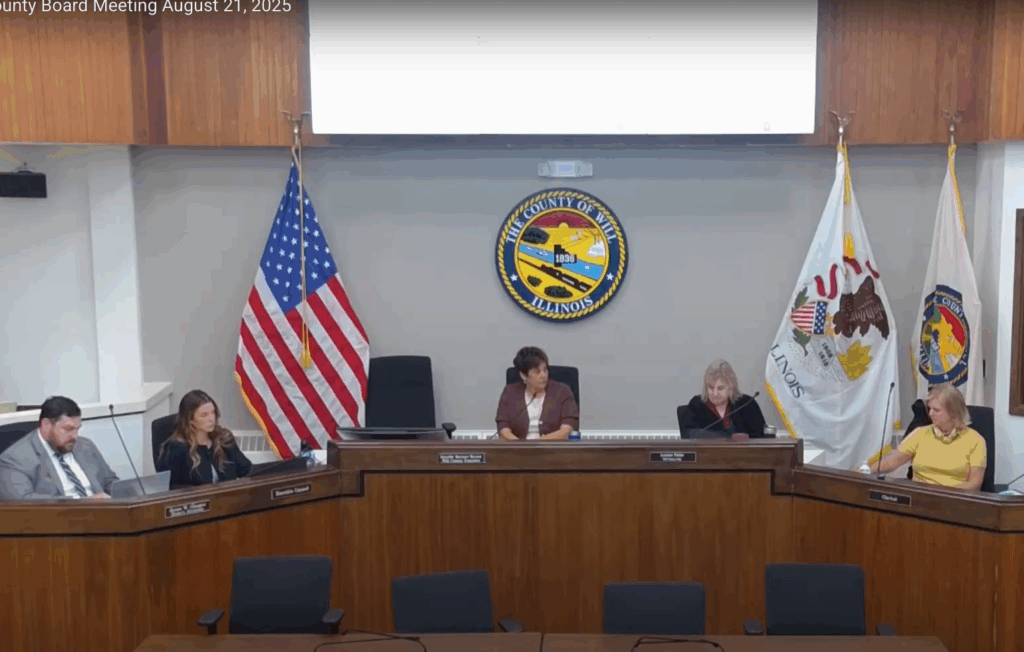
Will County Board Formally Opposes Heavier, Longer Trucks on National Roadways

Illinois quick hits: CUB challenges Ameren rate hike plan

Will County Board Approves Permits for Landscaping Business and Restaurant Liquor Service in Frankfort Area

Crete Township Community Center to Get New Digital Sign
Will County Awards $1.46 Million Contract for Kankakee Street Bridge Replacement in Manhattan Township
Board Approves Engineering Contracts for Mokena Road Widening

Experts call for probe after Microsoft left out China ties in Pentagon security plan

FBI raids the home of John Bolton
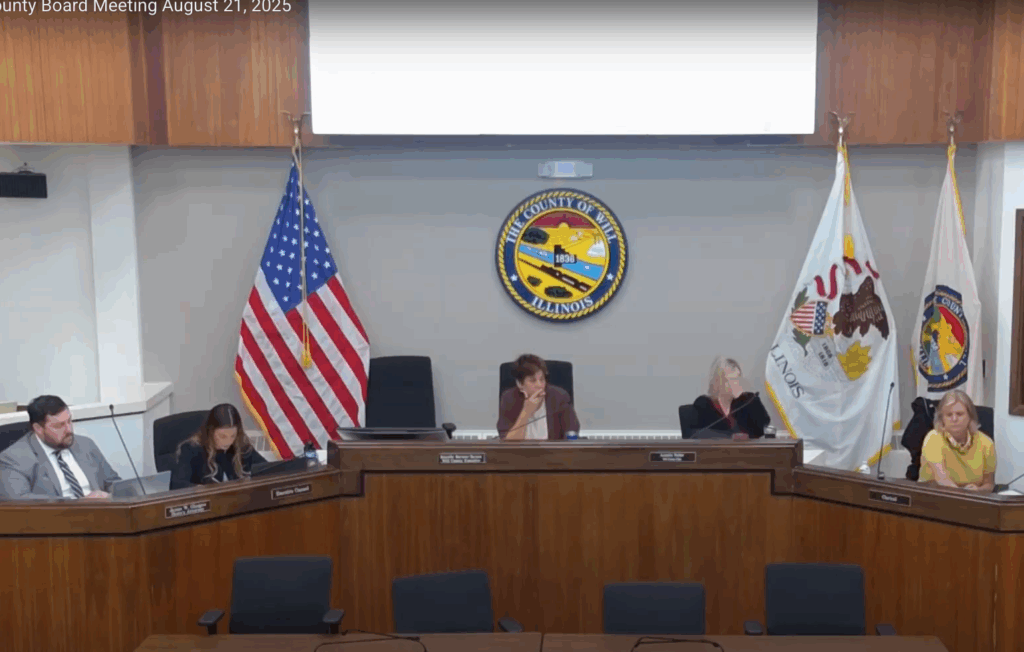
Will County Executive Proposes $791 Million Budget Focused on Stability Amidst Economic Uncertainty