
Amended Bears megaproject bill could have major impact on property tax payers
(The Center Square) – An Illinois megaproject bill about a new Chicago Bears stadium project passed through a House committee Thursday, but it did so with a warning from several legislators and an advocacy group that the bill could lead to a meteoric rise in property tax bills in multiple communities in the state.
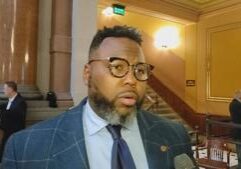
The bill will next go to the House for a vote with sponsor Kam Buckner, D-Chicago, saying he didn’t know how quickly it would be taken up for a vote.
The bill would allow the Bears’ proposed $5 billion stadium project and any $500 million project in the state to pay a negotiated lower rate instead of the same property tax that other companies and residents pay and it would allow the construction of the facility to be done sales tax free for 10 years.
A project cannot include residential building to be eligible, meaning the Bears will likely have to shift away from plans for residential structures on the land, instead building commercial and industrial.
University of Colorado Denver Associate Professor Geoffrey Propheter, who studies these projects across the country, estimated that the tax break will be a benefit worth $2 billion to the Bears over 30 years, or $67 million a year on average. He said that estimate won’t change much if the Bears shift to a plan without residential structures.
The cost for other property taxpayers in a community with a megaproject could be large.
The issue for other property taxpayers comes in a technical clause in the bill that allows local governments to count the cash value of the megaproject toward its tax base even though the entity is receiving a lower negotiated payment.
Illinois has a 5% cap on property tax increases, called the Property Tax Extension Law Limit, but by counting the value of a megaproject in the tax base without receiving the corresponding property tax payment, other taxpayers could see property tax bill increases that far exceed the 5% cap.
And the bill doesn’t just apply to a new Chicago Bears stadium. It applies to any project worth $500 million or ones worth $100 million with 100 net new employees or $250 million with 50 net new employees.
Several lawmakers pointed out that large data center projects or battery farms exceed the megaproject threshold and would be able to negotiate lower property taxes and not pay sales tax on construction, while Rep. Steve Reick, R-Woodstock, pointed out the bill could apply to a proposed 600-watt battery farm in Prairie Grove in McHenry County.
Americans for Prosperity Illinois Deputy State Director Brian Costin called it the “riskiest economic development program not just in Illinois history but U.S. history” and said his group could not find any other state in the country that had done anything similar to property tax bills.
“This is much bigger than the Bears,” said Sen. Andrew Chesney, R-Freeport. “This is about the toxic tax climate in Illinois that is squeezing everyone.”
The bill stipulates that the negotiated payment in lieu of property taxes must be worth 10% of the assessed value of the property but the threshold does not apply to projects worth more than $2 billion, like a new Bears stadium.
“That seems dangerous to me,” said Rep. Joe Sosnowski, R-Machesney Park. “[The negotiated rate] could be zero.”
Costin estimated that local taxing bodies could double or triple the bills for taxpayers under the bills current format and warned that local taxing bodies then would not have a strong incentive to negotiate large tax payments from entities like the Bears if they knew they could get the tax funds from other taxpayers anyway.
“We’re not confident that any of those local boards will look out for any of the considerations for the local taxpayer because they are going to see it as a way that we’re going to get a lot more money into our local tax unit and the taxpayers are the ones that are holding all the risk,” Costin said.
Buckner responded to the PTELL questions by repeating that he believes that the PILOT payments are best determined by the local taxing entities, not the state.
“That decision is best laid with the people who live there,” Buckner said.





Showers And Thunderstorms Likely
Latest News Stories

New Lenox Garage Variance Denied After Neighbor Cites ‘Massive’ Scale and Neighborhood Impact
JJC Celebrates “Future Wolves” Partnerships with Joliet and Troy School Districts

State Veto Session Passes Energy Bill Limiting County Zoning, Approves Toll Hike for Mass Transit

Meeting Summary and Briefs: Peotone School Board Committee of the Whole October 27, 2025

Commission Approves Peotone-Area Farmhouse Split, Overruling Staff’s “Spot Zoning” Concerns

Will County Finance Committee Hits Impasse on 2025 Tax Levy, Postpones Budget Votes

Federal Lobbyists Brief Will County on Government Shutdown, Warn of SNAP and TSA Disruptions

Will County Committee Advances Gougar Road Bridge Project with Over $540,000 in Agreements
Commission Approves Mokena-Area Garage Variance Over Village’s Objection

Residents Clash on School Funding, Citing Low Tax Rate vs. “Wasteful” Spending at Committee Meeting
JJC Receives Surprise $1.9 Million from IRS Employee Retention Credit
JJC Advances ERP Modernization with New Vendor and Two-Year Budget

