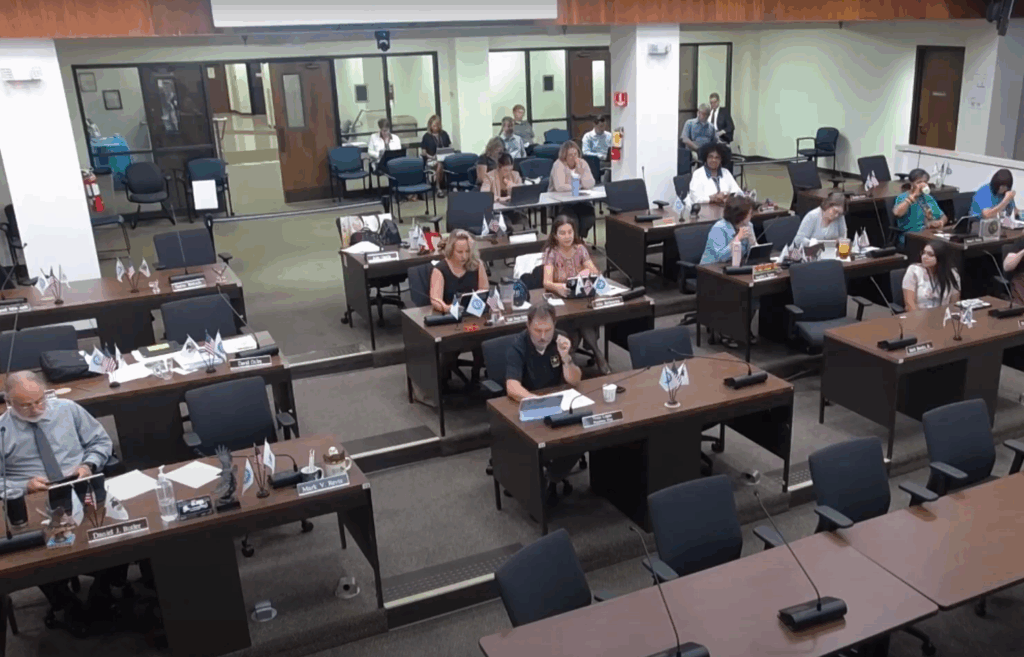
Illinois lawmakers push bipartisan energy choice package
(The Center Square) – A bipartisan group of Illinois lawmakers have introduced energy legislation to protect consumers from costs associated with the state’s planned phaseout of natural gas.
Saying Illinois will not meet its 2035 electrification goals if the state eliminates energy options before they are replaced, the Clean Energy Choice Coalition advocated for a package of energy legislation at the Illinois Capitol this week.
State Sen. Javier Cervantes, D-Chicago, said Senate Bill 3979 requires a thorough review of customer bill impacts before large-scale gas transition projects are approved and protects rate-payers from unfair cost increases and shifting.
‘Now what it doesn’t do, it does not stop electrification or clean energy innovation and it does not roll back environmental progress,” Cervantes said.
State Sen. Terri Bryant, R-Murphysboro, said Senate Bill 4028 would have the Illinois Commerce Commission address outdated interconnection rules that lead to lengthy timelines and inconsistent costs for developers and businesses.
“The bill gives the ICC 180 days to initiate and complete a rulemaking to modernize those interconnection standards and remove bottlenecks,” Bryant said.
State Sen. Patrick Joyce, D-Essex, introduced Senate Bill 3929 for an extension of Illinois’ clean energy timeline from 2050 to 2060.
State Sen. Sue Rezin, R-Morris, said the package of bills provide reliability and affordability.
“It’s about our most vulnerable and low-income residents from even higher costs, and they are about ensuring Illinois stays strong and does not experience preventable energy losses,” Rezin said.
Rezin said natural gas remains a backbone for reliable and affordable energy.
Representing the CECC, Lissa Druss said a recent state resource adequacy study projects tightening grid margins, rising capacity prices and long-term infrastructure challenges.
“When energy options disappear before replacements are available, reliable and adequate, reliability suffers, costs increase and vulnerable residents are hit the hardest,” Druss said.
###



Mostly Sunny then Slight Chance Showers And Thunderstorms
Latest News Stories

WATCH: UW-authored study on surgery times contradicts CMS basis for reimbursement cuts

State defends gun ban district court ruled unconstitutional

Trump aiming for ceasefire, world awaiting news from Putin summit
Pritzker acts upon 269 bills, vetoes 2, signs ‘lawsuit inferno’ measure
Report: average American to receive $3,752 tax cut in 2026 due to OBBBA

Republican, Dem work to prevent deportation of entrepreneur
Nevada superintendent says ICE won’t enter schools
Will County Updates Solid Waste Ordinance, Increases Fines and Reporting to Landfill Committee
Citing Liability Concerns, Will County Committee Postpones Vote on Septic System Ordinance
Will County Moves to Repeal Obsolete 1972 Fire Hydrant Ordinance
MAHA-style bill would close food additive safety loophole
Will County Board Gets Back to Basics with Robert’s Rules of Order Training