
Illinois lawmakers push bipartisan energy choice package
(The Center Square) – A bipartisan group of Illinois lawmakers have introduced energy legislation to protect consumers from costs associated with the state’s planned phaseout of natural gas.
Saying Illinois will not meet its 2035 electrification goals if the state eliminates energy options before they are replaced, the Clean Energy Choice Coalition advocated for a package of energy legislation at the Illinois Capitol this week.
State Sen. Javier Cervantes, D-Chicago, said Senate Bill 3979 requires a thorough review of customer bill impacts before large-scale gas transition projects are approved and protects rate-payers from unfair cost increases and shifting.
‘Now what it doesn’t do, it does not stop electrification or clean energy innovation and it does not roll back environmental progress,” Cervantes said.
State Sen. Terri Bryant, R-Murphysboro, said Senate Bill 4028 would have the Illinois Commerce Commission address outdated interconnection rules that lead to lengthy timelines and inconsistent costs for developers and businesses.
“The bill gives the ICC 180 days to initiate and complete a rulemaking to modernize those interconnection standards and remove bottlenecks,” Bryant said.
State Sen. Patrick Joyce, D-Essex, introduced Senate Bill 3929 for an extension of Illinois’ clean energy timeline from 2050 to 2060.
State Sen. Sue Rezin, R-Morris, said the package of bills provide reliability and affordability.
“It’s about our most vulnerable and low-income residents from even higher costs, and they are about ensuring Illinois stays strong and does not experience preventable energy losses,” Rezin said.
Rezin said natural gas remains a backbone for reliable and affordable energy.
Representing the CECC, Lissa Druss said a recent state resource adequacy study projects tightening grid margins, rising capacity prices and long-term infrastructure challenges.
“When energy options disappear before replacements are available, reliable and adequate, reliability suffers, costs increase and vulnerable residents are hit the hardest,” Druss said.
###






Sunny
Latest News Stories

Everyday Economics: A stalled labor market and why the next data points matter

Assaults against ICE up 1300%, vehicular attacks up 3200%, death threats up 8000%
Bipartisan bill to cap annual deficits at 3% could curb debt growth

One year in, a ‘ho-hum’ jobs report
Five battleground governor’s races for 2026

Chicago Flips Red calls for audit after public schools report

Capital Imp Committee: Begins Drafting Policy to Regulate Artificial Intelligence in County Government

Public Health Committee Chair Demands Animal Control Agreements for Crete, Monee

Public Works Committee Considers Taking Over Kankakee County Line Road to Expedite Bridge Repairs

Trump signs order protecting Venezuelan oil revenue from legal claims
Retirements and resignations to impact midterms as balance of power at stake
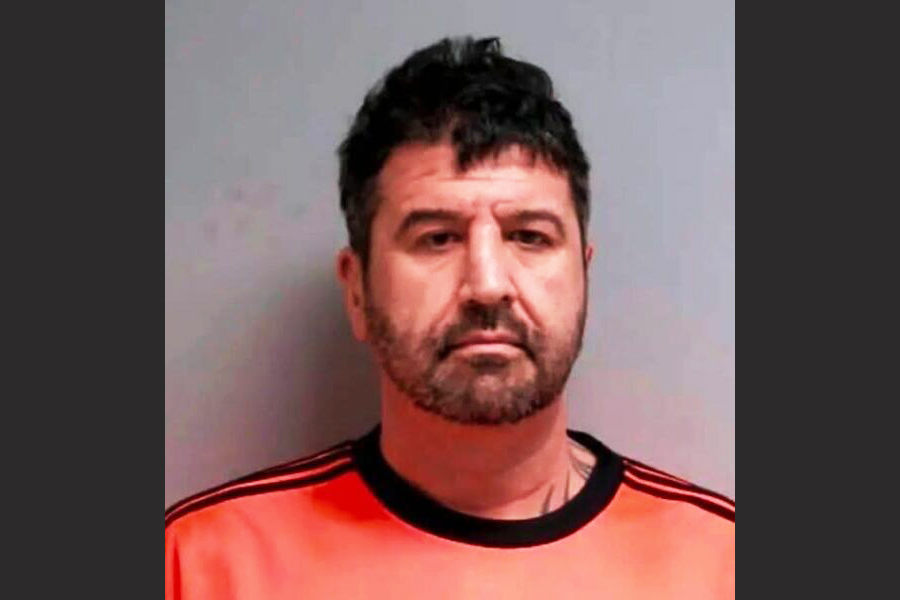
Peotone Man Charged With Disorderly Conduct, Criminal Damage at New Lenox Target
U.S. Supreme Court to hear anti-oil cases with energy costs on the line

Constitutional concerns raised over Illinois’ first civil hate crime case