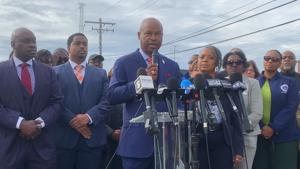
Black Chicagoans disproportionately face force by CPD
(The Center Square) – American Civil Liberties Union Director Alexandra Block argues a new study showing black city residents disproportionately face aggression at the hands of Chicago police much more than whites should be viewed as an indictment against the whole system.
Researchers from the University of Texas San Antonio and the University of Pennsylvania studied upwards of 8,000 incidents over a four-year period where force was used, concluding that in 73% of all such incidents it was directed at a black resident, even though they comprise just 29% of the overall population.
“What this really tells us is that the consent decree, which is the court order that is supposed to be reforming the Chicago Police Department and that required the police department to do the study, is not achieving the kind of changes on the streets of Chicago,” Block told The Center Square. “The central goal of the consent decree was to bring down force against community members and especially community members of color and that is not happening.”
Block adds much of the data uncovered essentially makes clear why the disparities exist as they do.
“We suspect that a lot of the problem is over policing,” she said. “That police are just initiating encounters with members of the community that they don’t need to; that police are responding to calls, for example, of people in a mental or behavioral health crisis where an alternative response would be better. It’s going to take a sustained, department-wide culture shift to a culture of community policing, a culture of de-escalation and not a culture of what we can get away with and claim that it’s within CPD policy.”
While researchers for the study were hired by CPD as part of its effort to comply with federally imposed changes instituted nearly a decade ago to protect the constitutional rights of Black and Latino residents, data shows thus far just 22% of consent decree requirements have been completed and top brass has taken no action in response to the study.
At the same time, the overall number of excessive force allegations filed against officers nearly doubled between 2022 and 2025, as the department faced growing pressure to change the way it trains, supervises and disciplines officers.
“What it says is that the culture change that needs to happen hasn’t happened yet, that CPD needs to become a department that views itself as serving members of the public, not harming members of the public,” Block said. “Our clients are very mistrustful of the Chicago Police Department because they’re not seeing changes. They’re, they’re not seeing that CPD is really committed to treating people with dignity and respect, to understanding the communities that that they’re policing.”
Among residents suspected of a crime, researchers found Blacks had a 52% higher risk than whites and faced a 39% greater risk of being arrested on suspicion of a crime, even as they comprise much less of the overall population.
Police Superintendent Larry Snelling is on record in asserting he does believe CPD officers are using force more often but are simply doing a better job of reporting all such encounters in accordance with changes to the system brought on by the consent decree.






Sunny
Latest News Stories

Green Garden Township’s Wildflower Farm Granted Third Extension for Rural Events Permit

Will County Lowers Cedar Road Speed Limit Amid Debate Over Curve Safety and Fatalities

Nine Will County Municipalities Face Expired License Plate Reader Agreements; Crest Hill Opts Out

Judge Orders Will County Board to Approve Previously Denied Solar Farm Permits
WATCH: California probe ends $267M in alleged hospice fraud
Ex-Blago attorney: Quid pro quo is key to Madigan appeal

Illinois Quick Hits: House GOP says no Bears deal without property tax reform

WATCH: More than $600 million stolen from SNAP in 2025

Melania Trump denies any relationship with Jeffrey Epstein

War Powers Resolution halting Trump’s Iran ambitions fails in U.S. House
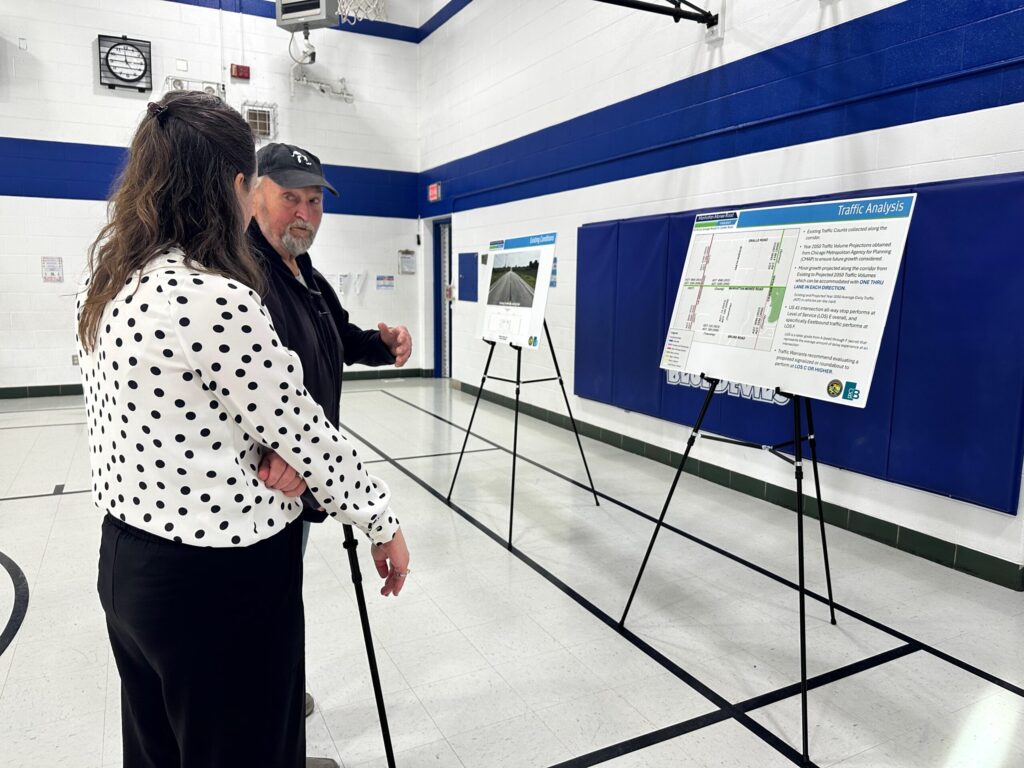
Will County DOT Hosts Open House on Manhattan-Monee Road Project

Answers wanted to ‘pathetic’ state procurement issues