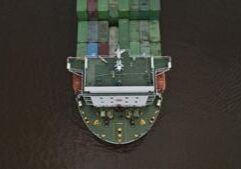
Iran closes the Strait of Hormuz
One of the major global maritime passageways for oil transport, the Strait of Hormuz, has been closed, according to multiple reports.
The Strait of Hormuz, which connects the Persian Gulf and the Gulf of Oman, has reportedly been receiving VHF transmissions from the Iranian Revolutionary Guard instructing that no ships are allowed to pass through the strait.
The reports come as the U.S. Department of Transportation Maritime Administration has issued an alert to vessels in the region, urging them to “keep clear of this area if possible,” citing “significant military activity.”
“Any U.S.-flagged, owned, or crewed commercial vessels that are operating these areas should maintain a standoff of 30 nautical miles from U.S. military vessels to reduce the risk of being mistaken as a threat and are strongly encouraged to maintain close contact with Naval Forces Central Command (NAVCENT) Naval Coordination and Guidance for Shipping,” according to DOT.
Iran has been targeting Arab countries along the Persian Gulf, including Bahrain, Kuwait, Qatar and the United Arab Emirates in response to U.S. strikes inside of Iran early Saturday.
The reported closure comes on the heels of Operation Epic Fury, joint coordinated strikes by the U.S. and Israel on Iran.





Sunny
Latest News Stories

Assaults against ICE up 1,153% in 11 months

Illinois quick hits: Deer harvest totals; IHSA voting begins

Texas officials seek to establish Turning Point chapters

Peotone School District Honors Nearly 90 Students for High Achievement on State Exams

National Guard member shot near White House dies

New Bar Approved in Frankfort Despite Board Opposition

Chicago tenant groups call for eviction moratorium amid ICE raids

Illinois tax proposals dampen decline in small business uncertainty index

JJC Board Approves Grundy County Land Purchase Amid Heated Debate

‘Trouble in Toyland’ report sounds alarm on AI toys

Lady Blue Devils Narrowly Defeated by Bradley-Bourbonnais Despite Late Rally
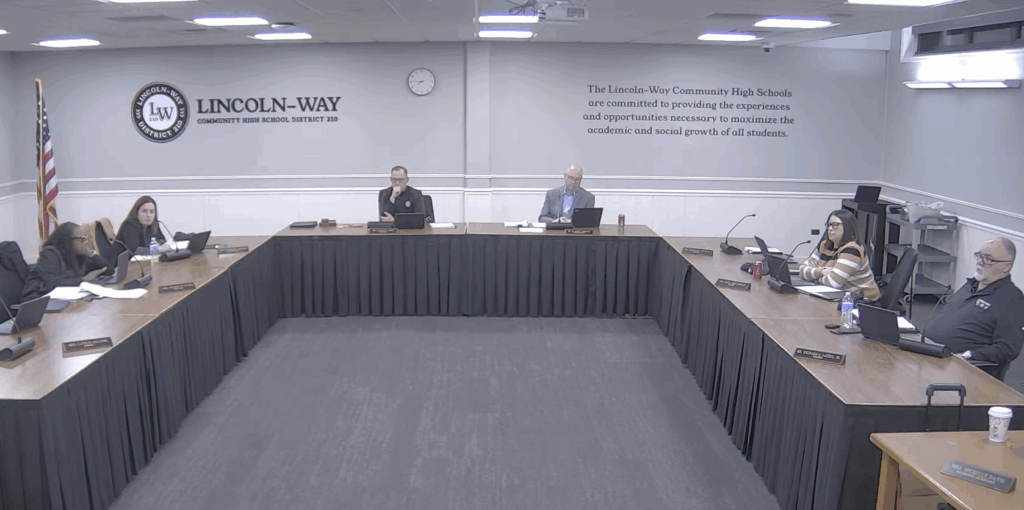
Support Staff Urge Lincoln-Way 210 Board for ‘Fair Contract’ During Public Comment