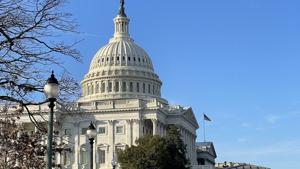
Iran closes the Strait of Hormuz
One of the major global maritime passageways for oil transport, the Strait of Hormuz, has been closed, according to multiple reports.
The Strait of Hormuz, which connects the Persian Gulf and the Gulf of Oman, has reportedly been receiving VHF transmissions from the Iranian Revolutionary Guard instructing that no ships are allowed to pass through the strait.
The reports come as the U.S. Department of Transportation Maritime Administration has issued an alert to vessels in the region, urging them to “keep clear of this area if possible,” citing “significant military activity.”
“Any U.S.-flagged, owned, or crewed commercial vessels that are operating these areas should maintain a standoff of 30 nautical miles from U.S. military vessels to reduce the risk of being mistaken as a threat and are strongly encouraged to maintain close contact with Naval Forces Central Command (NAVCENT) Naval Coordination and Guidance for Shipping,” according to DOT.
Iran has been targeting Arab countries along the Persian Gulf, including Bahrain, Kuwait, Qatar and the United Arab Emirates in response to U.S. strikes inside of Iran early Saturday.
The reported closure comes on the heels of Operation Epic Fury, joint coordinated strikes by the U.S. and Israel on Iran.



Sunny
Latest News Stories

Poll shows most Americans support legal limits to abortion

Bill would give parents access to expulsion evidence

WATCH: Pritzker IDs half billion in ‘reserves;’ SCOTUS considering gun ban challenge
Proposed Illinois bill would let local voters approve rent control, drawing sharp criticism

Businesses close in Minnesota for anti-ICE ‘economic blackout’

House GOP: Climate lawyers could be improperly influencing judges

Community Urges Board to Reconsider Teacher Cuts

Illinois Quick Hits: Higher ed board pushes for more spending

County Committee Proposes Federal Study on “Legacy Pollution” Near Joliet and Romeoville Refineries

ABA can’t end anti-white scholarship discrimination lawsuit

Winter storm to cause widespread disruption, states of emergency

AGs call on ‘climate cartel’ to uphold consumer protections