
Supreme Court declines to hear felony gun possession case
The U.S. Supreme Court on Monday declined to decide whether individuals with felony records can be permanently disarmed under the Second Amendment.
The court declined to hear Vincent v. Bondi on Monday. The challenge targeted laws banning individuals with felony convictions from possessing firearms.
Melynda Vincent, a social worker and nonprofit founder, was convicted of federal bank fraud in 2008 for attempting to pass a fraudulent check. While nonviolent, the felony prohibits Vincent from possessing firearms.
In Vincent v. Bondi, Vincent argued the prohibition violated her Second Amendment rights. She sought to have the law declared unconstitutional and for an injunction to prevent the U.S. attorney general from enforcing it against her.
After denials in lower court, Vincent sought relief from the U.S. Supreme Court.
“Text, history, and tradition show that the government cannot permanently disarm Ms. Vincent – a single mother, social worker, adjunct college professor, and nonprofit founder with two college degrees – solely because of one seventeen-year-old conviction for passing a bad check,” Vincent’s lawyers wrote in a petition to the Supreme Court.
The government disputed Vincent’s claims of a permanent ban from the possession of firearms. In a petition to the court, lawyers for the Trump administration said the government reinstated a process for convicted felons to gain their rights to possess firearms, leaving Vincent’s challenge on a faulty basis.
Even still, lawyers for the government argued the ban on firearm possession for felons aligns with the history and tradition of the Second Amendment.
“American colonies imposed that penalty even for non-violent crimes such as counterfeiting, squatting on Indian land, burning timber intended for house frames, horse theft, and smuggling tobacco,” lawyers for the government wrote in a brief to the court.
Additionally, the Supreme Court denied similar petitions from Selim Zherka and Steven Duarte, who both sought permission from the government to possess firearms despite previous non-violent felony convictions.
The Supreme Court’s denial comes as justices on the bench prepare to hear a significant case on Second Amendment rights for individuals who engage in regular drug use on Monday. The case, U.S. v. Hemani, could drastically expand gun rights in the United States.



Chance Rain Showers then Partly Sunny
Latest News Stories

Illinois quick hits: Three dead outside Berwyn school; steady economic conditions reported
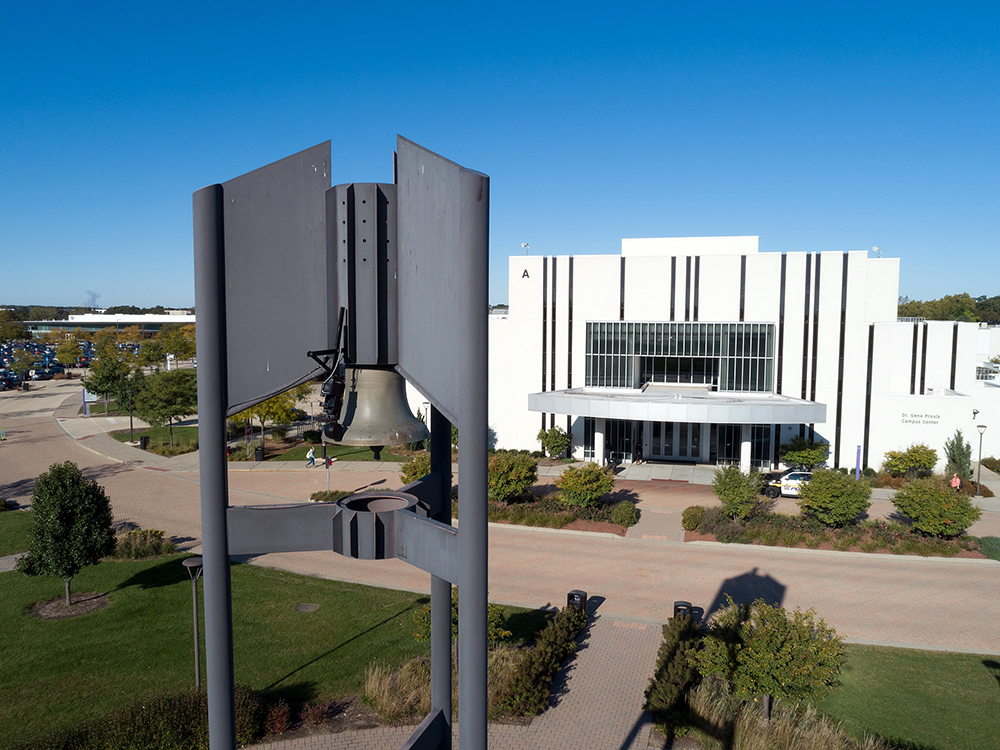
Joliet Junior College, City of Joliet to Explore Joint Public Safety Institute

WATCH: Illinois prison mail scanning rule faces lawmaker scrutiny

Green Garden Township Confronts Massive 600-Megawatt Solar Project Proposal
Green Garden Township Gets Green Light for New Town Hall Grant After Dramatic Reversal
Second Solar Farm with Battery Storage Proposed in Green Garden

Meeting Summary and Briefs: Green Garden Township Board for September 8, 2025

JJC Moves Forward with Major Technology Overhaul to Modernize College Operations
Meeting Summary and Briefs: Joliet Junior College Board of Trustees for August 20, 2025
Tensions Flare as JJC Chairman Rebukes “Entitlement” After Trustee Lists Demands

Meeting Summary and Briefs: Green Garden Township for August 25, 2025

DOJ urges federal judge to strike down climate change law