Peotone 207U Weighs School Consolidation, Long-Term Planning in Lengthy Committee Meeting
By Andrea Arens
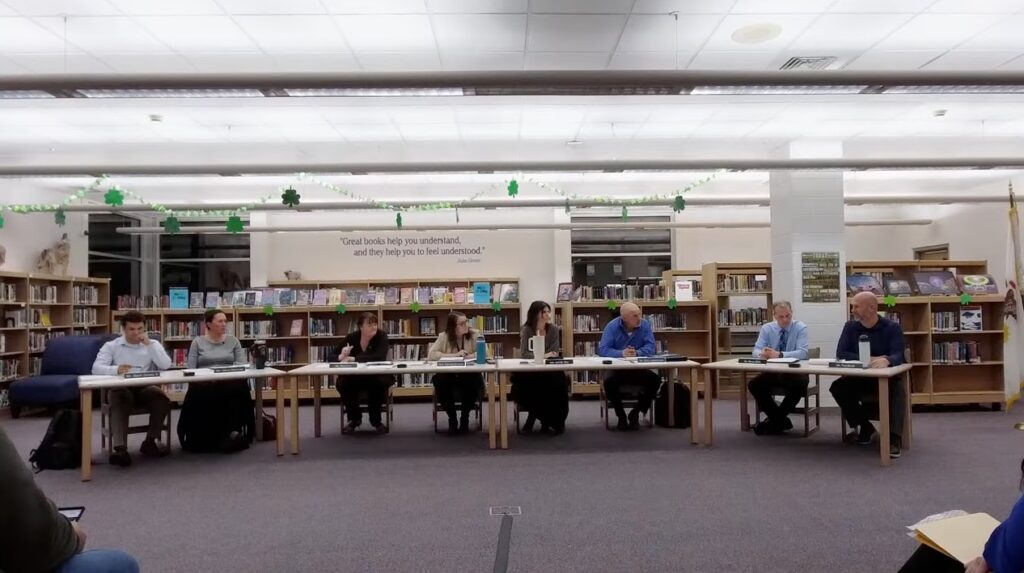
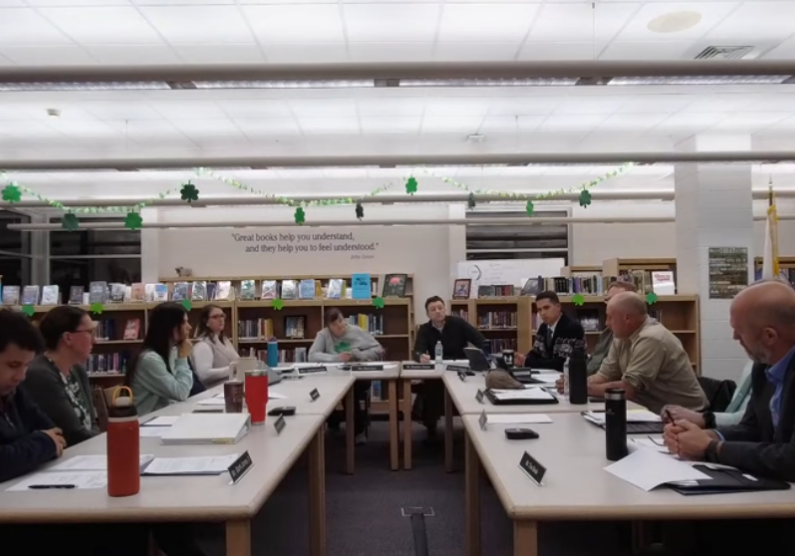
The Peotone 207U Committee of the Whole spent several hours on March 16 discussing school consolidation plans, facility planning, and long-term financial strategy, with board members signaling both urgency and division over next steps.
Resident Victoria Theodossopoulos shared concerns about communication between the board and the community. “Please speak with the community and the partners and the union and the teachers and the students even. Um,it’s hard to sit here and hear that this board is going to make the decisions. This board represents the constituents of this school district. So, it is a partnership. You are elected into these positions by the people of this community. Please, let’s work together to ensure that the community and the students are at the forefront and engaged throughout this process because again, we all want the success of this district,” said Theodossopoulos.
New Consolidation Plan Emerges
District administrators presented a revised consolidation proposal aimed at addressing space constraints while minimizing costly building modifications.
The plan would:
- Keep Conor Shaw Center as a preschool and district office
- Convert Peotone Elementary School (PES) into a K–4 building
- Shift the junior high to grades 5–8
- Maintain the high school as grades 9–12
Administrators described the proposal as the most practical short-term solution, requiring fewer structural changes than earlier concepts.
“This is the best option for our current setup,” Superintendent Brandon Owens said, noting concerns about space limitations and infrastructure challenges at Conor Shaw.
Board members generally supported moving forward, though board member Mark Jones shared concerns about crowding, shared classroom spaces, and gym capacity.
The plan is considered temporary, pending longer-term decisions on facilities.
Time Pressure Mounting
Board members emphasized the tight timeline, with roughly 161 days until the next school year and limited time for planning, staffing, and communication.
Community members urged transparency and continued engagement, suggesting the district reuse its previous FAQ website to gather feedback and provide updates.
Debate Over Facilities and Athletic Planning
The committee also debated whether to spend $8,600 on a feasibility study for a potential high school athletic complex.
Opinions were split:
- Some members argued the study is essential to understanding long-term possibilities and informing a future referendum
- Others said the district should prioritize academic facilities first to avoid sending a “mixed message” to taxpayers
Director of Buildings and Grounds Mike Singleton chimed in, “We need the professionals to do the work for us in the grand scheme of things. If we’re going to ask the community to make this for millions of dollars, $8500 early in the process is money well spent.”
Ultimately, a majority supported moving forward with the study, viewing it as part of a broader master planning effort. It will go before the board next month for approval.
Call for a Comprehensive Plan
A recurring theme throughout the discussion was the lack of a finalized long-term vision.
Board members stressed that before asking voters for funding, the district must answer a key question: how much money is actually needed—and for what?
“We don’t have that answer yet,” board member Tim Stoub said, noting that both operational deficits and potential building projects must be clearly defined.
Technology Funding Proposal Introduced
The committee also reviewed a proposal to introduce a $50 annual student technology fee to help offset rising device costs.
Key points:
- District projects $515,000 in device costs over five years
- Fee could generate about $185,000 (36% of costs)
- About 30% of students would qualify for fee waivers
Technology Director Brian Cann warned that without a funding plan, aging devices and expiring federal COVID relief funds will create significant challenges.
The proposal is expected to return for possible approval in April.
Other Discussion Items
Additional topics included:
- Transportation adjustments under consolidation scenarios
- Opportunities for sponsorships and fundraising
- Coordination with the park district for baseball and softball field maintenance
Next Steps
No formal votes were taken on consolidation, but board consensus allows administrators to begin more detailed planning and community engagement.
With financial pressures intensifying and major decisions looming, the district is entering a critical period that will shape its future structure, funding, and facilities.






Chance Showers And Thunderstorms then Partly Cloudy
Latest News Stories

Commission Overrides Staff Recommendation, Approves Manhattan Township Barn Expansion
Chicago could owe $100M+ in refunds for excessive city tickets

Illinois quick hits: Indiana House approves Bears stadium bill; Business, labor groups file petition to stop natural gas phaseout; Chicago woman gets 2 years for PPP fraud

Community violence intervention advocates tout crime reduction, taxpayer funding

Pritzker’s social media fee plan faces cost, legality questions

Chicago tourism rises; visitors ignore Trump’s condemnation

Illinois quick hits: Chicago man faces charges in road-rage shooting; migrant accused of murdering church volunteer; Illinois Liquor Control Commission launches new system

Executive Committee Advances “Project Northwinds”: 2,475 Jobs and $346 Million Investment Proposed for Former Caterpillar, Lion Electric Sites

Land Use Committee Advances Mokena Scrap Yard and Homer Glen Landscape Business Over Local Objections

Foxx to face questions about murder conviction review ‘investigations’

Planning Commission Backs 5-MW Peotone Solar Farm; Developer Pledges Pollinator Habitat and Community Funds
207U Committee Reviews Budget Adjustments, Facility Planning and Operations Issues

Joliet Junior College Board Approves $2 Tuition Increase Amidst Heated Debate Over Enrollment and Spending