Small business owners seek tax cuts, tariff relief as prices increase
Small business owners want more tax breaks and lower tariffs as they report higher operating costs.
As small business owners navigate a challenging economic landscape marked by rising costs, inflation, and ongoing trade tensions, many are calling for tax relief and lower tariffs to help them stay afloat. Despite optimism about their own futures, these entrepreneurs say increased expenses and policy uncertainty are forcing them to make difficult decisions on hiring, pricing and investment.
A survey conducted by Advancing American Freedom, the advocacy group founded by former Vice President Mike Pence, found that while business owners remain optimistic about the future, many are increasingly frustrated by mounting costs and steep tariffs. Inflation is prompting these entrepreneurs to seek lower-cost suppliers, increase their prices and postpone investments.
Echelon Insights surveyed more than 300 small businesses in March for Advancing American Freedom. The poll revealed mixed economic signals ahead of the midterm elections later this year.
In the past year, 41% of small businesses sought cheaper suppliers, 40% raised prices, and 24% delayed investment or expansion in response to inflation, according to the survey.
Small businesses also reported that prices are climbing. Asked about the cost of supplies and materials over the past year, 77% reported higher costs while 3% reported declines. Another 19% said prices had stayed about the same over the past 12 months.
Overall, small businesses surveyed approved of President Donald Trump’s handling of the U.S. economy. Some 49% said they “strongly” or “somewhat” approved of Trump’s handling of the economy, compared to 45% that said they “strongly” or “somewhat” disapproved of Trump’s handling of the economy.
Business owners largely welcomed the extension of the 2017 tax cuts in the One Big Beautiful Bill Act: 17% said the cuts helped “a lot,” 43% said they offered “some” help, while 31% found them of little or no benefit and 8% were unsure.
The poll also found more businesses oppose Trump’s tariffs than support them. Asked about Trump’s foreign policy decisions, 41% said they “somewhat” or “strongly” support Trump’s tariffs. That compared to 46% that said they “somewhat” or “strongly” oppose tariffs.
About 42% of small business owners said tariffs raised the cost of the goods they need for their businesses.
Businesses do have ideas about policy changes that would help them. Asked if they could have elected officials make one policy change, 28% called for tax relief, 19% for a tariff reduction or repeal, and 12% for lawmakers to lower costs by addressing inflation.
Advancing American Freedom President Tim Chapman said the results were mixed.
“American small business owners are overwhelmingly optimistic about the future of their businesses and our country thanks to the extension of the 2017 Tax Cuts in the One Big Beautiful Bill,” he said. “But warning signs are flashing under the surface as the impacts of tariffs and overregulation continue to hamstring small businesses from reaching their full potential.”
The Advancing American Freedom Small Business Owners Survey, conducted online from March 4–11, 2026, had a margin of error of ± 6.6 percentage points.
Polling from The Center Square found voters view Trump’s tariffs as measures that raise prices for American consumers rather than effective tools for strengthening U.S. businesses on the global stage. The Center Square Voters’ Voice poll finds that a plurality of voters say American consumers are paying the costs. About 42% of voters say American consumers primarily pay the cost of tariffs, while 38% believe the burden is shared by all parties involved in trade. Just 12% think foreign countries pay, and only 8% say American businesses absorb the costs.
In April 2025, Trump unilaterally imposed the highest tariffs in nearly a century. The U.S. Supreme Court ruled in February that Trump overstepped by using the International Emergency Economic Powers Act to impose tariffs worldwide, but did not decide what should happen to the estimated $175 billion in import taxes already collected. Importers and consumers are fighting in court for refunds, but the U.S. Treasury Secretary has said he does not expect consumers to get any money back.
Importers, including American businesses, pay import duties directly to U.S. Customs and Border Protection. While some exporters have reduced prices in response to Trump’s shifting tariffs, most have not. Research indicates that U.S. consumers and businesses bear the majority of import tax costs, with some studies showing that businesses pass along up to 95% of these costs directly to consumers.




Showers And Thunderstorms Likely
Latest News Stories

Illinois State Police Investigating Fatal Officer-Involved Shooting in Bradley

Fire Department Responds to Monee Car Fire

New Lenox Firefighters Extinguish Garage Fire, Rescue Pets on Somerset Court
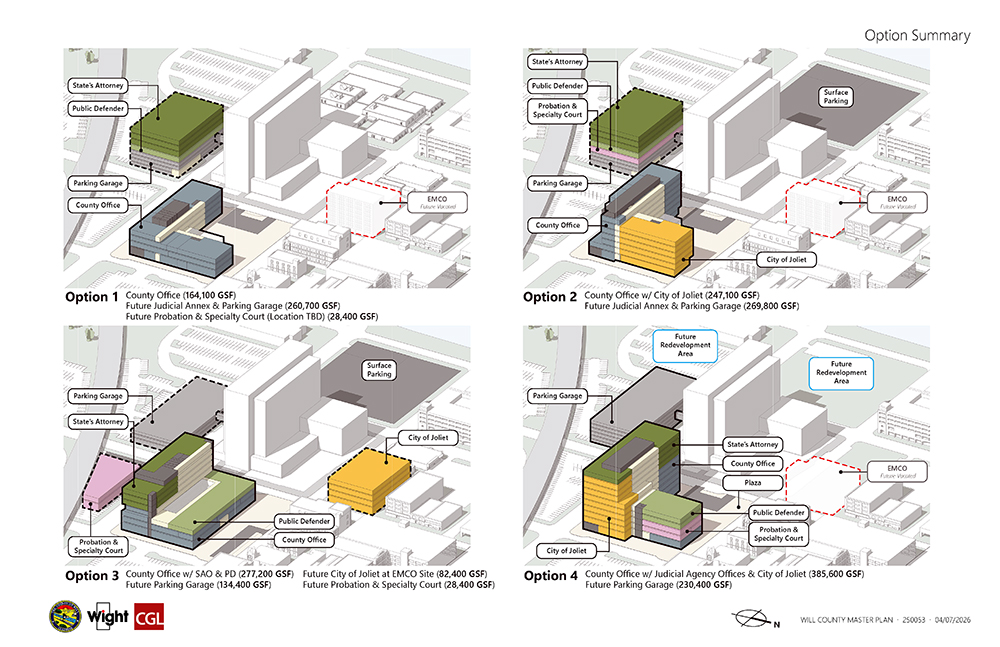
Will County Explores Multi-Million Dollar Downtown Joliet Consolidation and City Partnership

Will County Partners with LNS Development for Laraway Road Drainage Improvements in New Lenox
Will County Hires LEAP HR Consulting for $12,000 Strategic Plan

Will County Finalizes 2025 Tax Levy at $159.5 Million, Limiting Rate Drops
Will County to Take Jurisdiction of Countyline Road Following $1.8 Million Agreement with Kankakee County
Will County Expands Narcan Distribution Amid Shifts in Opioid Overdose Demographics
Additional Skeletal Remains Discovered at Mokena Property

Beecher Man Charged with 10 Felony Counts for Possession of Child Sex Abuse Material
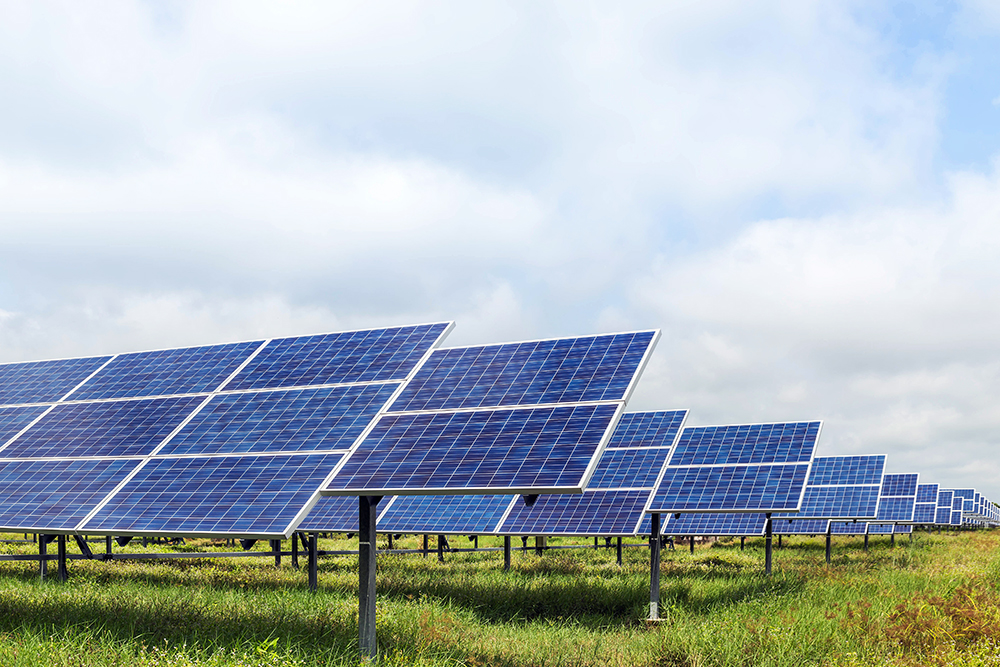
Will County Legislative Committee Unanimously Backs Resolution Demanding Return of Local Solar Siting Control