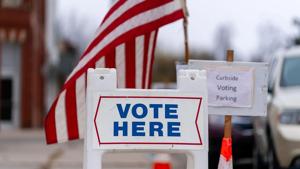
Illinois bill sparks debate over police privacy vs. public access
(The Center Square) – An Illinois lawmaker and law enforcement officer says a controversial proposal to change how police records are handled under the state’s public records law could help agencies manage growing workloads – while still maintaining transparency.
State Rep. Patrick Sheehan, R-Homer Glen, said House Bill 5733 would ease the burden on police departments handling large volumes of requests under the Illinois Freedom of Information Act.
Supporters say it protects sensitive information, while critics warn it could reduce transparency by expanding exemptions and delaying access to records. Sheehan called the measure “a step in the right direction” for departments managing time-consuming redactions.
“One of their biggest complaints is they want to be transparent to the public,” Sheehan said. “The issue is, when you’re getting inundated with FOIA requests, the redaction process can be very tedious and time-consuming.”
The bill would give agencies more time to respond to records requests, helping departments with limited staff manage the time-intensive review process. While critics worry it could shield body camera footage, Sheehan said he does not believe the measure broadly exempts those records.
“I don’t believe anything is going to be exempt,” he said. “I think all this information is still FOIA-able. This is about giving departments more time and support to process requests.”
The lawmaker suggested the bill could go further in addressing the needs of smaller police departments, which may not meet thresholds outlined in the legislation but still face high volumes of requests with fewer resources.
Despite his support for aspects of the proposal, Sheehan emphasized that government transparency must remain a priority.
Sheehan acknowledged the need for clarity around what qualifies as “sensitive information” under the proposal. He pointed to cases involving juveniles as an example where privacy protections are essential.
“The child’s identity needs to be protected at all times,” he said, adding that lawmakers should further define those categories to avoid confusion.
Sheehan also raised concerns about the growing trend of individuals requesting police footage and posting it online for entertainment or profit, particularly on platforms like YouTube and TikTok. He warned that such practices can lead to the doxxing of officers or the public.
“You don’t know what someone is going through on one of the worst days of their life,” he said. “Officers and the public don’t deserve to be turned into clickbait.”






Slight Chance Showers And Thunderstorms
Latest News Stories

Trump says Europe will face tariffs until Denmark gives up Greenland
Senate takes recess, leaving only five days to pass six govt funding bills
011926 CLEAN SLATE (copy)

Trump’s Great Healthcare Plan ‘central’ to long-term policy solutions, health sharing ministry says

Freight Clusters Drive Push for Overhaul of Wilmington-Peotone Road; County Advances Broader 2050 Plan

Board Weighs Township Takeover of Historic Union Cemetery

Sunny Hill Administrator Defends Private Room Model Amidst Capacity Discussions
Utah County’s chief prosecutor testifies at Tyler Robinson’s hearing

Elite private colleges can’t cap off price-fixing collusion class action

WATCH: San Francisco gets $40M to address homelessness

Education dept. launches 18 Title IX probes as Supreme Court hears cases
Tyler Robinson’s defense seeks to disqualify prosecutors