Signature process begins to ban large data centers in Ohio
Sponsors of a proposed constitutional amendment that would ban the construction of any new large data centers in Ohio have cleared another hurdle in getting the question to voters this November.
After a review, the Ohio Ballot Board confirmed the data center proposal contains only one proposed constitutional amendment, complying with state law.
Now comes the hard part.
The Ballot Board decision allows organizers to start the massive job of collecting more than 400,000 registered voter signatures in order to get the question before voters in November. The signatures must be from voters in at least 44 of the state’s 88 counties.
Organizers are trying to schedule one or two people from each county in the state to lead the signature campaign, Andrew Gula told The Center Square.
The group has 90 days to gather the signatures.
“We are trying to get as many signatures as possible,” Gula said. “We are assuming and anticipating that some are going to get thrown out, maybe 10-20%.”
The group has been reserving park shelters for the signature campaign and asking for permission to set up tables at businesses across the state, Gula.
“I’ve had people from high school approach me and say they’d like to sign the petition,” Gula said. “It’s kind of nice to see the grassroots campaign. We are just trying to keep the power here with the Ohio people.”
If it passes, the amendment, entitled, “Prohibition of a Data Center”, would ban large data centers, those using more than 25 megawatts of electricity at peak load or in a given month.
Gula is a lifelong resident of Batavia, Ohio, one town over from the village of Mount Oran, where a data center has also been proposed.
Gula started reading about data centers and the electric power they consume.
“I thought that was just part of the future, it’s going to happen,” he said.
But the more research he did, “pretty much everything came up negative,” said Gula.
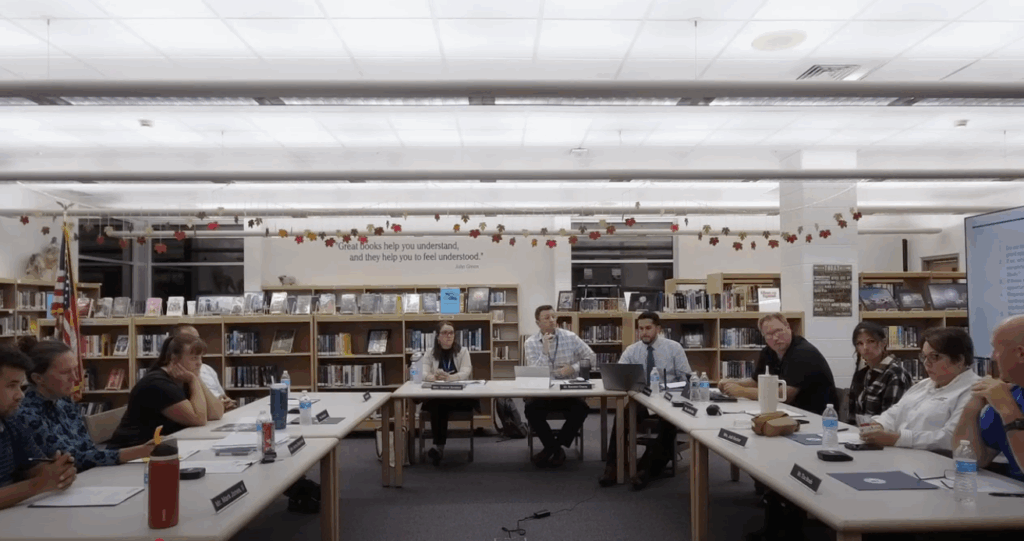
He attended a Mount Oran village council meeting.
“I saw probably100 people there,” he said.
Village officials were “dodging questions,” citing non-disclosure agreements they had signed with the company developing the data center, said Gula.
“They can’t tell us how many jobs it was going to bring. They couldn’t tell us what kind of environmental impact it would have,” said Gula. “They couldn’t even tell us the name of the company that bought 1,000 acres.”
Supporters of data centers point to jobs they will create and tax revenue for local communities and also argue that Ohio’s mild summers create less demand for electricity to cool the data centers.






Partly Sunny then Showers And Thunderstorms Likely
Latest News Stories

Hamas agrees to release hostages; demands further negotiations

Report: Bipartisan support for K-12 open enrollment policy

‘End the political idiocy’: Republicans lambast Dems for tanking funding bill again

WATCH: U.S. military strikes another suspected drug boat, killing four

Des Moines Public School system hired superintendent with extensive criminal history

Pro-life group calls FDA’s approval of generic abortion pill ‘unconscionable’

USDOT puts $2.1 billion of taxpayer funds for CTA under review

No UPCODE Act could be part of shutdown solution … and more

Health care policy remains sticking point in Senate’s govt shutdown talks

ICE arrests 9 Chileans linked to South American theft group operating in NJ

WATCH: State police prepares ICE protest zones; energy policy debate continues

DHS blames ‘sanctuary’ politicians for ICE violence