Seattle enacts one-year ban on data centers
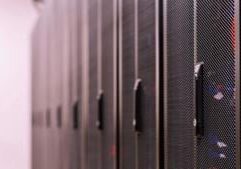
A one-year ban on new large-scale data centers was approved by the full Seattle City Council on Tuesday.
The ban comes after 98,000 residents emailed comments to the city, almost all in support of the ban over the last several months, city council members said on Tuesday.
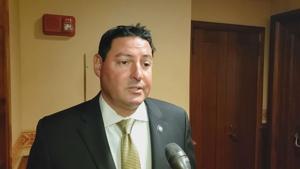
“Large AI data centers are popping up across the country, driving up utility costs for residents and small businesses, while creating water and noise pollution, said Councilmember Eddie Lin, who sponsored the legislation.
“We’ve heard from tens of thousands of residents – Seattleites should not be subsidizing record profits of large corporations from the AI boom.”
Lin said at the same time, the city hosts smaller facilities that provide data processing for 911 call centers, municipal activities, hospitals, universities and cancer research.
‘We can support these essential services while also developing appropriate safeguards around mega AI data centers locally and regionally,” he said.
The council’s approval is a victory for Seattle Mayor Katie Wilson, who first called for a pause on data centers in March.
While Seattle has several dozen data centers, none are the large-scale, football-field-sized complexes that have sprung up across the country.
In a packed Tuesday council meeting, a diverse coalition of dozens of community members — including climate activists, engineers and tech professionals — voiced overwhelming support for new legislation.
Ben Jones, a staff member with the climate justice organization 350 Seattle, said Seattle has become the largest city in the United States to successfully pass a moratorium on data centers.
“I urge you all to set the national agenda for what it looks like to put people before big tech,” Jones stated during the public comment period, capturing the prevailing sentiment of the room.
The newly passed resolution does not permanently alter city policies regarding data center construction.
Instead, it institutes a strategic pause on the creation of new facilities.
This temporary halt is designed to give city leaders the time needed to thoroughly study the long-term impacts of larger data centers on municipal infrastructure, with a focus on future power demand, water and land use, public health and local job growth.




Slight Chance Drizzle
Latest News Stories
Illinois quick hits: Gas prices continue slow climb
More pros than cons: ALEC panel discussion focuses on positives of data centers

Trump hits 60 nations with forced-labor tariffs
Illinois news in brief: Year-over-year unemployment rates rise; Judge gives Rockford woman six months for stealing from booster club; Chicago Fed’s National Activity index rises

Voters say economy rigged for wealthy as Trump earns low marks
Parents challenge special ed regulation for private schools, seek SCOTUS review
Trump: Data center boom will lower Americans’ energy costs
Election 2026: Third day of filing for Graham’s seat remains quiet
White House has extra asks for stalled federal highway bill

Carolina, Virginia Tech chosen for fellowship program by War Department
Future regional power supply down, but not out

Exclusive: USDA distributing loans to Oregon, Nevada sawmills to expand timber production