Inflation spikes to 4.2% in May, highest in three years
U.S. inflation rose by 0.5% in May, coming up to 4.2% over the past 12 months, according to data from the U.S. Bureau of Labor Statistics released on Wednesday.
The inflation rate is now the highest it has been in the past three years.
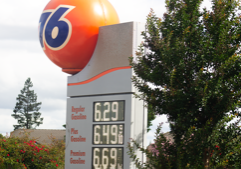
The index for energy prices rose by 3.8% in May after rising 3.8% in April and 10.8% in March. The energy index accounted for more than 60% of all monthly item increases.
Heather Long, chief economist at Navy Federal, pointed out that the inflation rate in February, before the U.S. conflict with Iran, was at 2.4%.
“Americans are getting squeezed financially,” Long said. “There is real pain, especially for middle-class and lower-income households.”
Prices for food and shelter also drove the uptick in May’s inflation rate. Shelter prices increased by 0.3% for a yearly totaly of 3.4% and food prices increased to 3.1% for the year ending in May 2026.
“It’s tough because so many basic items are seeing sizable price increases: gas, electricity, food, medical care,” Long said. “This isn’t just ‘bad vibes’ about the economy.”
Long pointed out that inflation is currently erasing the meager wage gains seen in the market. Wage growth in May was 3.4% over the past year.
Chris Zaccarelli, chief investment officer for Northlight Asset Management, said the data in May was in line with expectations. He warned inflation shows the Federal Reserve cannot cut interest rates soon.
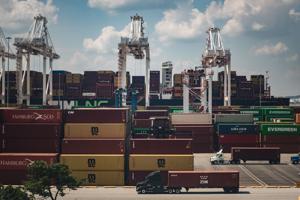
“It’s very possible that things wrap up in the Middle East and shipping gets back to normal over the course of the rest of the year, in which case we can see inflation come down over time and the Fed could hold off raising rates, but if things stay as they are currently, then all bets are off,” Zaccarelli said.
The Competitive Enterprise Institute said a rate hike could be coming at some point.
“Inflation is not going to reach COVID-era levels of 9 percent, but it will likely stay above 4 percent for a while,” CEI Senior Economist Ryan Young said in a statement provided to The Center Square. “The two main causes of rising prices were both avoidable: tariffs and the Iran war. … The Federal Reserve is still likely to hold rates steady at next week’s meeting, but a rate increase down the road is now more likely. Three months of good jobs numbers give the Fed some room to raise rates, though slowing GDP growth, again due to tariffs and war, do not make the Fed’s job any easier.”





Sunny
Latest News Stories

Democratic candidates focus on national politics in campaign for U.S. Senate

Arizona Chamber praises new interstate natural gas pipeline

Dems oppose Trump’s bid to end mail-in ballots, voting machines
After two weeks fleeing Texas, House Democrats return, quorum reached

Trump says court’s tariff decision could lead to ‘catastrophic’ collapse

Trump: Zelenskyy could end Russia-Ukraine war ‘if he wants to’
$750 million facility to protect Texas cattle, wildlife from screwworm threat

Chicago posts fewest homicides since 2016, arrests rate also declines
Three years later, Inflation Reduction Act blamed for higher Medicare costs

Illinois quick hits: Prosecutors charge two more in Tren de Aragua case; Senate Energy and Public Utilities Committee meets today; Illinois Little League team loses in World Series
Report: Human Rights Campaign pressures transgender procedures on minors
Everyday Economics: Housing market and Fed policy in focus in the week ahead