Vance says ‘progress’ made in talks with Iran
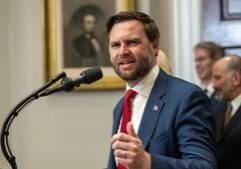
Following what appeared to be a bumpy weekend between the U.S. and Iran, Vice President J.D. Vance said progress is being made.
Vance, leading a U.S. delegation in talks with Iran, mediated by Pakistan and Qatar, reassured that talks remain ongoing in Switzerland after Iranian representatives threatened to walk out in response to some strongly worded social media posts from President Donald Trump over the weekend.
The president responded to Iranian claims that it once again closed the Strait of Hormuz, accusing Israel of violating the ceasefire after the Jewish State retaliated for Hezbollah attacks.
Trump warned that Iran would not impose tolls on the strait during or after the 60-day ceasefire. However, the president left the door open for the U.S. to impose tolls “should the deal not be completed,” adding they would be considered, “services rendered as guardian angel to the countries of the Middle East for the purpose of both past, present, and future reimbursement costs.”
The president also warned Iran against supporting its terror proxies, specifically highlighting Hezbollah.
“Iran must immediately stop their highly paid proxies in Lebanon from causing trouble,” Trump wrote. “If they don’t, we’ll hit Iran very hard again, just like we did last week, only harder!!!”
Despite Iran’s saying it had closed the Strait of Hormuz, Vance confirmed that the vital waterway remains open. He sought to defuse regional tensions, pointing to the situation in Lebanon, which could prompt Iran to increase aggression in the strait.
The vice president also announced Iran’s approval of allowing inspectors from the International Atomic Energy Agency back in to inspect key nuclear sites. The agency has been inspecting sites, but since last year’s strike on the nation’s top nuclear facilities, access has been restricted.
During a brief press conference, Vance also addressed concerns regarding a potential agreement to unfreeze Iranian assets by “setting up a process.” He emphasized that “if” the frozen assets are unfrozen, the funds would be overseen by the U.S. and Qatar to be certain the funds would be used to “go to help the people of Iran.”
The funds would be spent on buying American agricultural products, described as a “classic Trump deal” that would help enrich American farmers.
In addition, the U.S. Treasury Department announced Monday morning that it was issuing a 60-day general license authorizing the production, delivery and sale of Iranian oil until Aug. 21.
The Memorandum of Understanding signed by the U.S. and Iran last week paved the way for the U.S. to lift the naval blockade on Iranian ports. The Trump administration said it was costing the Iranian economy between $400 million and $500 million a day in lost revenue.
Moody’s Analytics estimates the conflict with Iran has cost taxpayers $132 billion and counting since the U.S. began strikes on Feb. 28; much of that cost has come in the form of rising consumer prices, such as gasoline and food.




Mostly Sunny
Latest News Stories
Bipartisan bill to cap annual deficits at 3% could curb debt growth

One year in, a ‘ho-hum’ jobs report

Five battleground governor’s races for 2026

Chicago Flips Red calls for audit after public schools report
Capital Imp Committee: Begins Drafting Policy to Regulate Artificial Intelligence in County Government

Public Health Committee Chair Demands Animal Control Agreements for Crete, Monee
Public Works Committee Considers Taking Over Kankakee County Line Road to Expedite Bridge Repairs
Trump signs order protecting Venezuelan oil revenue from legal claims
Retirements and resignations to impact midterms as balance of power at stake
Peotone Man Charged With Disorderly Conduct, Criminal Damage at New Lenox Target
U.S. Supreme Court to hear anti-oil cases with energy costs on the line

Constitutional concerns raised over Illinois’ first civil hate crime case