Fugitive accused in $547 million Medicare fraud scheme captured
A man accused of orchestrating a $547 million Medicare fraud scheme through diagnostic laboratories in Louisiana and other states has been captured overseas and returned to the United States after nearly four years as a fugitive, federal officials said Tuesday.
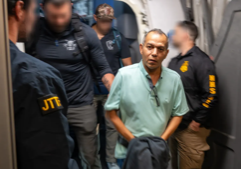
Khalid Ahmed Satary was captured Monday and transported back to the United States on Tuesday. The Department of Justice is expected to release additional details about his capture.
Satary was originally indicted in the Eastern District of Louisiana in September 2019 on charges including conspiracy to commit health care and wire fraud, health care fraud, conspiracy involving illegal health care kickbacks and bribes, and conspiracy to launder money.
Federal prosecutors allege Satary controlled a network of diagnostic laboratories in Louisiana, Oklahoma and Georgia that used telemarketing campaigns, patient recruiters and telemedicine companies to generate orders for expensive cancer genetic tests.
The tests were allegedly marketed to Medicare beneficiaries regardless of whether they were being treated for cancer or showed symptoms of the disease. Prosecutors said telemedicine doctors sometimes authorized the tests without treating or even speaking with the patients.
Satary and his alleged co-conspirators then paid kickbacks and bribes in exchange for patient referrals, DNA samples and doctors’ orders that could be used to bill Medicare, according to the indictment.
The three principal laboratories identified by prosecutors were Performance Laboratories in Oklahoma, Clio Laboratories in Georgia and Lazarus Services in Louisiana.
Together, they submitted approximately $547 million in claims, according to prosecutors. The 2019 indictment says Medicare and Medicare Advantage plans actually reimbursed the laboratories approximately $134 million, making the distinction between the amount billed and the amount paid significant.
Federal authorities seized 16 bank accounts and restrained real estate belonging to Satary as part of the original prosecution.
Satary was initially arrested and released on bond with a condition barring him from working in the health care industry. The FBI alleges that while on pretrial release, he became involved with Houston-area laboratories that submitted additional fraudulent genetic-testing claims to Medicare.
A federal arrest warrant was issued Nov. 23, 2022, for violating the conditions of his pretrial release. Federal authorities say he subsequently failed to appear in court and became a fugitive. HHS investigators had listed Dubai as a possible location before his capture.
The FBI renewed attention on Satary this summer, placing him prominently on its Most Wanted Fraudsters list and publicizing the $150,000 reward shortly before his capture.
Satary had been listed among the FBI’s Most Wanted Fraudsters, with the agency offering a reward of up to $150,000 for information leading to his arrest and conviction. The FBI said he had ties to Houston, Atlanta, South Florida, Dubai, Jordan and the Israel-Palestine region.


Partly Sunny
Latest News Stories
Alcohol tax amendments may be unconstitutional

Illinois quick hits: Lawsuit filed over drunk driving deal involving noncitizen

Illinois to regulate intoxicating hemp products, loosen up on cannabis
Nevada gubernatorial candidates clash over Trump’s policies

Feds cut funding for Hawaii Medicaid fraud unit
Two Democrats, two Republicans seek attorney general seat
Democrats condemn Minnesota GOP convention tribute to Derek Chauvin

Questions loom after data center legislation stalls
Feds charge 14 in Ohio fraud schemes, totaling $50M

U.S. Supreme Court rules in favor of generic drug patents
Former HHS secretary tied to company that could benefit from CMS screening proposal

Supreme Court rules against Verizon, AT&T over privacy penalties