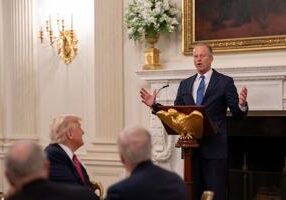
Health care policy remains sticking point in Senate’s govt shutdown talks
It’s day three of the government shutdown, and U.S. lawmakers are no closer to a government stopgap compromise, with both parties believing they’ll win the standoff.
The Senate is set to vote Friday afternoon on both Democrats’ and Republicans’ competing short-term Continuing Resolutions for the fourth time, but neither is likely to pass.
Democratic leaders remain staunch in their demands that Republicans commit to renewing the COVID-19 era enhanced Obamacare Premium Tax Credits, while Republicans are betting that enough rank-and-file Democrats will fold to public pressure to reopen the government as the shutdown drags on.
Senate Majority Leader Chuck Schumer reiterated before the Friday vote that his party remains “ready and willing to work with the other side” to extend government funding, but only if the path forward will “lower health care costs for the American people.”
Millions of Americans could see their health care premiums spike at the end of the year if the Obamacare PTC is not extended. While Republican leaders have acknowledged this fact and indicated openness to discussion, they will only do so after the government reopens. They also argued that it is inappropriate for Democrats to use a complicated December policy issue to “hold the government hostage.”
“We can’t make commitments or promises on the Covid subsidies, because that’s not something we can guarantee that there’s the votes there to do,” Senate Majority Leader John Thune, R-S.D., told reporters Friday. “But what I’ve said is, I’m open to having conversations with our Democratic colleagues about how to address that issue. But that can’t happen while the government is shut down.”
Anticipating that the afternoon vote will fail, Thune said he hopes enough Democrats will decide over the weekend to vote for the Republican CR when they return Monday. The current shutdown is the first time in nearly seven years that lawmakers have let funding for federal agencies lapse.
Currently, federal workers deemed “essential,” such as members of the military, Border Patrol agents, and air traffic controllers, are working but will not receive their next paychecks until the government opens. Thousands of federal employees deemed “nonessential” have or soon will be furloughed without pay, and the Trump administration is hoping to use the opportunity to eliminate some positions it deems unnecessary or unaligned with its goals.
Latest News Stories

WATCH: WA Senate candidates differ on taxes, parental rights, protecting girls’ sports
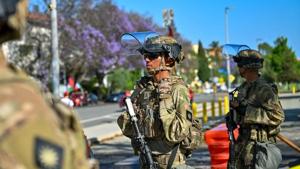
Newsom, Bonta vow suit over National Guard deployment

U.S. nuclear stockpile hit with shutdown furloughs

Spokane police chief ordered officers not to work with FBI after June 11 protest
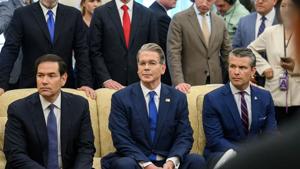
Treasury sanctions Russian oil companies, calls for ceasefire

DOJ: Illegal immigrant charged with assault

Manufacturing advocate: ‘Follow the actions’ with Pritzker on taxes

Illinois quick hits: National Guard restraining order extended; economic growth above trend

US and Qatar say EU climate regulations could impact LNG supplies
U.S. debt tops $38 trillion for first time

Trump defends tariffs, tells beef producers to lower prices

VA secretary pleads with Democrats to end the shutdown