Pasco Mayor Pete Serrano to take Trump appointment as Eastern WA U.S. attorney
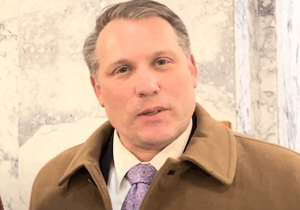
President Donald Trump has nominated Pete Serrano – mayor of Pasco, Wash. – to be the next U.S. Attorney for the Eastern District of Washington.
The appointment will require confirmation from the U.S. Senate, but begins Monday, for a 120-day period, ahead of official confirmation.
“I had different folks reach out to suggest that I’d be good for it, and I talked to my wife and said, Hey, I think it’s a great opportunity to serve at least half of the state,” Serrano told The Center Square late Friday. “So, I put my name in the hat.”
Serrano said nothing started happening until the last month and a half.
“I have a direct interim appointment for 120 days,” he explained. “It commences on Monday. And then for the remainder of the Trump term that would require Senate confirmation.”
Serrano’s appointment would effectively end the role of Acting U.S. Attorney Stephanie Van Marter, who assumed the position on July 7 after Acting U.S. Attorney Richard Barker resigned.
Serrano, who ran an unsuccessful campaign for state attorney general in 2024, said he will no longer be mayor of Pasco as of Sunday night.
“I’m stepping down effective at 11:59 p.m. Sunday night so that I can vacate my seat ahead of being confirmed or being sworn into the position,” Serrano said.
Serrano is also leaving his position as founder and general counsel of the Silent Majority Foundation. This has led the charge on many high-profile cases, including the ongoing litigation involving Gator’s Custom Guns in Kelso. The case involves a legal challenge to Washington state’s ban on high-capacity firearm magazines. The U.S. Supreme Court will potentially decide the case.
“I’m obviously no longer going to be employed as the general counsel there,” he said. “I do have several attorneys [who] work for us. We’ve got extremely dedicated and beyond competent attorneys [who] are going to carry the ball. I don’t expect any hiccups from them in the professional work, so the people of Washington can rest assured the Silent Majority Foundation is going forward full-fledged.”
Wally Wentz, owner of Gator’s Custom Guns, told The Center Square late Friday that he has full confidence in the Silent Majority Foundation’s counsel as the case progresses.
“The whole gang at Silent Majority Foundation has worked like a well-oiled machine for two years,” Wentz said. “I have no confidence issues with Pete leaving. He’s not leaving my life, and the lead counsel going forward is Austin Hatcher, and he’s an extremely good litigator, level-headed, and so smart.”
Wentz and Serrano told The Center Square they both believe the U.S. Supreme Court will decide before the end of this year whether to take up the Gator’s Guns case.
“That’s what I look for. Every man by my side, right or left flank, someone who considers the mission first,” Wentz said in remarking on his relationship with SMF.
“Some believe large capacity magazines are not arms and not protected by the Constitution, others believe they are. So it’s a really good opportunity for the U.S. Supreme Court to put its finger down on this and define the term,” Serrano said.
Latest News Stories

Trump HHS tells states to remove gender ideology from sex ed or lose PREP funding

Americans could face ‘sticker shock’ as once-small tax exemption ends
‘Pro-taxpayer’ law requires operators to clean up abandoned Illinois oil wells

Black-only medical directory must open to all races after lawsuit
Embattled Fed governor sues Trump over ‘illegal’ firing

Watch: Cook County gun ban plaintiffs petition SCOTUS; Pritzker hasn’t heard from White House

Illinois quick hits: Man on pretrial release accused of murder; holiday weekend impaired driving patrols
GOP legislators propose creating new state from CA counties
Illinois quick hits: Gun ban challengers petition SCOTUS; man sentenced for COVID fraud
WATCH: Trump: Illinois’ ‘slob of a governor’ should call for help with public safety
WATCH: Legislator says Illinois’ child welfare agency uses interns, has legal exposure

Economic index shows reduced uncertainty, more stability in Midwest