Treasury sanctions Russian oil companies, calls for ceasefire
The U.S. Treasury Department announced sanctions against two Russian oil companies on Wednesday.
The department cited Russia’s “lack of serious commitment” to ending the war in Ukraine, according to a news release.
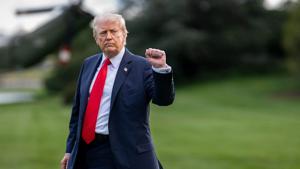
“Now is the time to stop the killing and for an immediate ceasefire,” Treasury Secretary Scott Bessent said. “Treasury is prepared to take further action if necessary to support President Trump’s efforts to end yet another war.”
The U.S. is targeting Open Joint Stock Company Rosneft Oil Company and Lukoil OAO in its sanction efforts, as well as 34 subsidiaries of the two oil companies.
The sanctions prohibit transactions for individuals or organizations within the United States between the Russian oil companies or their subsidiaries.
Over the summer, Trump levied tariffs against India, a Russian ally, over the nation’s purchase of Russian energy and oil. Trump cited the war in Ukraine as his reason for targeting India.
“The ultimate goal of sanctions is not to punish but to bring about a positive change in behavior,” the Treasury Department press release reads.
Latest News Stories

DEA surge against cartel turns up fentanyl, millions in cash, guns

Illinois quick hits: Woman charged in Metro East murder; taxpayer funded homeowner relief fund announced

WATCH: Former state lawmakers endorse, donors support GOP candidate Dabrowski

Louisiana native awaits Senate confrmation
Portland protests Trump’s plan to send federal troops to protect ICE facilities

With potential mass transit service cuts looming, IL legislators seek reforms

Trump asks Supreme Court to review birthright citizenship case again

Trump’s limited drug tariffs might not bring back U.S. manufacturing
Government shutdown deadline days away, but Dems don’t budge on demands

Report: 25 state governments don’t have enough money to pay their bills
Officials react to DOJ voter roll lawsuit

Defense says more time needed for Tyler Robinson case
Tribal members want 15 minutes for oral arguments in tariff case

Welfare reform pilot to reduce government dependency is ‘step forward’, scholar says