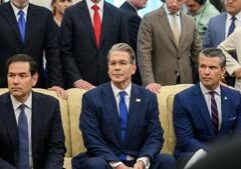
Treasury sanctions Russian oil companies, calls for ceasefire
The U.S. Treasury Department announced sanctions against two Russian oil companies on Wednesday.
The department cited Russia’s “lack of serious commitment” to ending the war in Ukraine, according to a news release.
“Now is the time to stop the killing and for an immediate ceasefire,” Treasury Secretary Scott Bessent said. “Treasury is prepared to take further action if necessary to support President Trump’s efforts to end yet another war.”
The U.S. is targeting Open Joint Stock Company Rosneft Oil Company and Lukoil OAO in its sanction efforts, as well as 34 subsidiaries of the two oil companies.
The sanctions prohibit transactions for individuals or organizations within the United States between the Russian oil companies or their subsidiaries.
Over the summer, Trump levied tariffs against India, a Russian ally, over the nation’s purchase of Russian energy and oil. Trump cited the war in Ukraine as his reason for targeting India.
“The ultimate goal of sanctions is not to punish but to bring about a positive change in behavior,” the Treasury Department press release reads.
Latest News Stories

Trump HHS tells states to remove gender ideology from sex ed or lose PREP funding

Americans could face ‘sticker shock’ as once-small tax exemption ends

‘Pro-taxpayer’ law requires operators to clean up abandoned Illinois oil wells

Black-only medical directory must open to all races after lawsuit
Embattled Fed governor sues Trump over ‘illegal’ firing

Watch: Cook County gun ban plaintiffs petition SCOTUS; Pritzker hasn’t heard from White House

Illinois quick hits: Man on pretrial release accused of murder; holiday weekend impaired driving patrols
GOP legislators propose creating new state from CA counties

Illinois quick hits: Gun ban challengers petition SCOTUS; man sentenced for COVID fraud
WATCH: Trump: Illinois’ ‘slob of a governor’ should call for help with public safety

WATCH: Legislator says Illinois’ child welfare agency uses interns, has legal exposure

Economic index shows reduced uncertainty, more stability in Midwest